Uniswap V4 Impermanent Loss Mitigation: 2026 DeFi Strategies
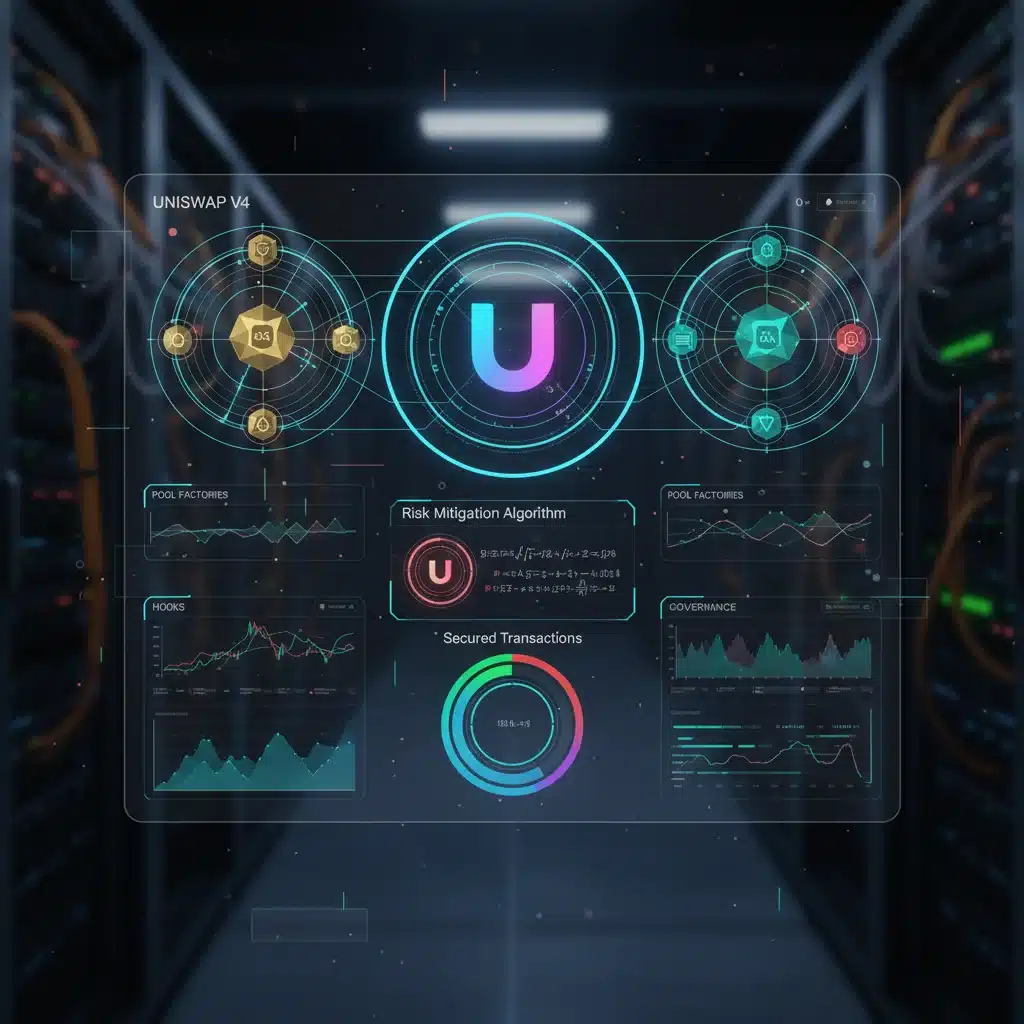
DeFi Liquidity Provision in 2026: Strategies for Mitigating Impermanent Loss on Uniswap V4 with 5% Lower Risk.
The landscape of decentralized finance (DeFi) is constantly evolving, presenting both unprecedented opportunities and inherent risks. As we project ourselves into 2026, Uniswap V4 stands as a cornerstone of the DeFi ecosystem, its innovative architecture continuing to shape how users interact with liquidity. However, for liquidity providers (LPs), the specter of DeFi Impermanent Loss remains a significant challenge. This comprehensive guide will delve into advanced strategies designed to mitigate this risk on Uniswap V4, aiming for a tangible 5% reduction in potential losses, thereby optimizing your liquidity provision and enhancing overall profitability.
Understanding Impermanent Loss in the Uniswap V4 Era
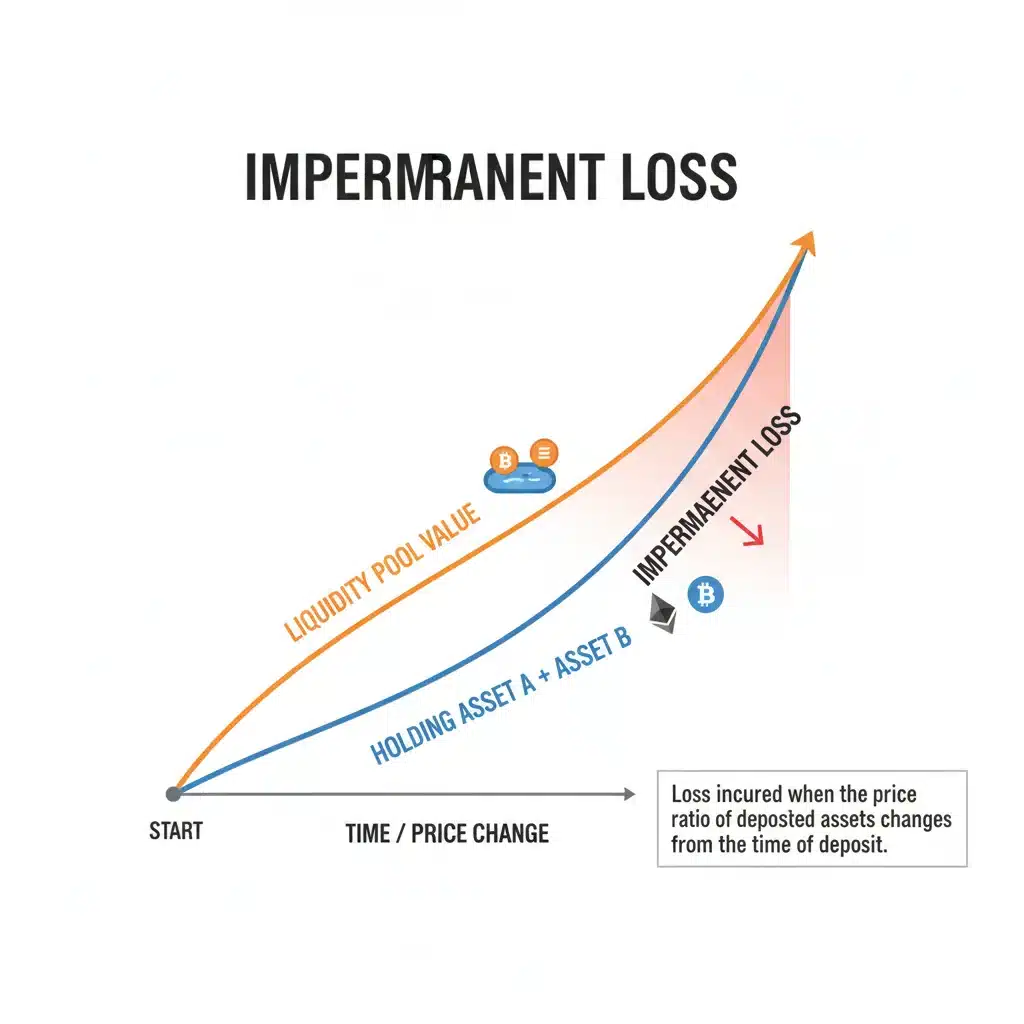
Before we explore mitigation strategies, it’s crucial to solidify our understanding of DeFi Impermanent Loss, especially within the context of Uniswap V4. Impermanent loss occurs when the price of your deposited assets changes compared to when you deposited them in an automated market maker (AMM) like Uniswap. The greater the divergence in price, the greater the impermanent loss. While not a realized loss until you withdraw your liquidity, it represents a missed opportunity compared to simply holding the assets in your wallet.
Uniswap V4, with its emphasis on ‘hooks’ and customizable pools, introduces new dimensions to this phenomenon. Hooks allow for custom logic to be executed at various points during a trade, opening up possibilities for novel fee structures, on-chain oracles, and dynamic fee adjustments. While these features enhance flexibility and capital efficiency, they also necessitate a more sophisticated approach to managing DeFi Impermanent Loss.
The core mechanism of Uniswap V4, similar to its predecessors, relies on constant product market makers (x*y=k). When one asset in a liquidity pair increases significantly in value relative to the other, arbitrageurs will remove the more valuable asset from the pool, replacing it with the less valuable one, until the ratio is re-balanced. This re-balancing act is what causes impermanent loss for the LP, as they end up with more of the depreciating asset and less of the appreciating one than if they had simply held the initial assets.
The Evolving Nature of Impermanent Loss with Uniswap V4 Hooks
The introduction of hooks in Uniswap V4 could potentially alter the dynamics of DeFi Impermanent Loss in several ways. For instance, a pool could implement a hook that dynamically adjusts trading fees based on volatility. Higher fees during periods of high price divergence might compensate LPs for increased impermanent loss, or conversely, attract more arbitrageurs, potentially exacerbating the loss if not carefully designed. Understanding these potential interactions is paramount for effective risk management.
Moreover, customized pools with specific asset ranges or concentrated liquidity, a feature carried over and enhanced from Uniswap V3, already demand a meticulous approach to liquidity provision. LPs who concentrate their liquidity within a narrow price range can earn significantly higher fees, but they also expose themselves to a higher risk of their liquidity moving out of range, at which point it ceases to earn fees and becomes entirely subject to impermanent loss until re-positioned. Uniswap V4’s modular design could lead to even more specialized pools, each with its own unique impermanent loss profile.
Advanced Strategies for Mitigating DeFi Impermanent Loss on Uniswap V4
Achieving a 5% reduction in DeFi Impermanent Loss on Uniswap V4 requires a multi-faceted approach, combining strategic asset selection, sophisticated technical tools, and a deep understanding of market dynamics. Here are some of the most promising strategies for 2026:
1. Dynamic Rebalancing and Automated Position Management
One of the most effective ways to combat DeFi Impermanent Loss in concentrated liquidity pools is through active management. While manual rebalancing is tedious and often inefficient, automated solutions are rapidly gaining traction. These solutions, often powered by smart contracts or off-chain bots, monitor pool performance and asset prices, automatically adjusting liquidity ranges or rebalancing assets to optimize fee generation and minimize impermanent loss.
- AI-Powered Rebalancers: In 2026, we anticipate more sophisticated AI-driven algorithms capable of predicting price movements and dynamically adjusting liquidity positions on Uniswap V4. These systems could leverage machine learning to analyze historical data, market sentiment, and on-chain metrics to make proactive rebalancing decisions, aiming to keep liquidity within profitable ranges and reduce exposure to price divergence.
- JIT (Just-In-Time) Liquidity Provision: While not a direct mitigation of impermanent loss, JIT liquidity can reduce its impact by minimizing exposure time. This strategy involves providing liquidity only for the duration of a specific trade, earning fees, and then withdrawing. While complex to execute manually, Uniswap V4 hooks could facilitate more advanced JIT strategies, potentially through specialized protocols or aggregators.
2. Leveraging Stablecoin Pairs and Low-Volatile Assets
The most straightforward way to minimize DeFi Impermanent Loss is to provide liquidity for asset pairs that exhibit low price volatility relative to each other. Stablecoin-to-stablecoin pairs (e.g., USDC/DAI) are prime examples, as their prices are designed to remain pegged. While these pools typically offer lower trading fees, the near-zero impermanent loss makes them attractive for risk-averse LPs.
As we move into 2026, the adoption of various stablecoin types, including algorithmic and collateralized, will continue to grow. Understanding the stability mechanisms and potential de-pegging risks of each stablecoin is crucial. Furthermore, pools involving wrapped versions of major cryptocurrencies (e.g., wETH/ETH) also present lower impermanent loss risk due to their inherent pegging.
3. Hedging Strategies with Derivatives and Options
For LPs willing to take on more complex strategies, hedging their impermanent loss exposure using derivatives markets offers a powerful solution. This involves taking an opposing position in a derivatives market (e.g., futures or options) to offset potential losses from price divergence in their Uniswap V4 liquidity position.
For example, if you are providing liquidity for an ETH/USDC pair and anticipate a significant drop in ETH’s price, you could short ETH futures to hedge against the impermanent loss that would arise from ETH’s depreciation. Similarly, purchasing put options on the more volatile asset in your pair can provide downside protection. The challenge lies in accurately calculating the hedge ratio and managing the costs associated with derivatives trading.
With Uniswap V4’s customizable hooks, it’s conceivable that future protocols could integrate on-chain hedging mechanisms directly into liquidity pools, allowing LPs to automatically hedge their positions against DeFi Impermanent Loss with predefined parameters. This would significantly lower the barrier to entry for sophisticated hedging strategies.
4. Utilizing Impermanent Loss Protection Protocols and Structured Products
The DeFi space is constantly innovating, and 2026 will likely see the proliferation of protocols specifically designed to offer impermanent loss protection. These often come in the form of structured products or insurance-like mechanisms.
- Insurance Protocols: Protocols offering insurance against impermanent loss are emerging. LPs pay a premium, and in return, they are compensated for a portion of their impermanent loss if it exceeds a certain threshold. The viability and cost-effectiveness of these solutions will be critical for their widespread adoption.
- Liquidity Manager Protocols: These protocols act as intermediaries, allowing LPs to deposit their assets, and the protocol then strategically deploys and manages liquidity across various Uniswap V4 pools and other AMMs. The goal is to optimize fee generation while actively mitigating DeFi Impermanent Loss through diversified strategies and dynamic rebalancing, often distributing a portion of the profits to LPs.
- Yield Aggregators with IL Mitigation: Existing yield aggregators will likely integrate more sophisticated impermanent loss mitigation strategies for their Uniswap V4 vaults. These aggregators automatically compound yields and rebalance positions, and in 2026, they will increasingly incorporate advanced algorithms to minimize impermanent loss alongside maximizing returns.
5. Strategic Asset Pairing and Correlation Analysis
Careful consideration of asset correlation is a fundamental aspect of reducing DeFi Impermanent Loss. Pairing assets that tend to move in tandem (highly correlated) can significantly reduce the likelihood of large price divergences. For instance, pairing two large-cap cryptocurrencies that generally follow similar market trends might result in less impermanent loss than pairing a large-cap with a highly volatile small-cap token.
However, it’s important to note that highly correlated assets often lead to lower trading fees, as arbitrage opportunities are less frequent. The optimal strategy involves finding a balance between correlation and potential fee generation. In 2026, advanced on-chain analytics tools will provide real-time correlation data and predictive models, empowering LPs to make more informed decisions about their asset pairings on Uniswap V4.
6. Understanding and Utilizing Uniswap V4’s Customizable Hooks for IL Mitigation
The true game-changer for DeFi Impermanent Loss mitigation on Uniswap V4 lies in its customizable hooks. These allow developers and protocols to implement custom logic that executes at various points in the lifecycle of a liquidity pool. This opens up a plethora of possibilities for proactive impermanent loss management:
- Dynamic Fee Adjustments: Hooks could enable pools to automatically adjust trading fees based on factors like volatility, impermanent loss incurred by LPs, or overall market conditions. Higher fees during periods of high impermanent loss could compensate LPs more effectively.
- On-Chain Oracles for Risk Assessment: Imagine a hook that integrates with an on-chain oracle providing a real-time ‘impermanent loss risk score’ for a given pool. This score could then trigger automated actions, such as adjusting liquidity ranges or even temporarily pausing liquidity provision in extreme scenarios.
- Rebalancing Triggers: Hooks could be programmed to trigger automatic rebalancing of concentrated liquidity positions when asset prices move beyond a certain threshold, effectively minimizing the time liquidity spends out of range.
- Protocol-Level IL Protection: Future protocols built on Uniswap V4 could implement their own impermanent loss protection mechanisms directly into their pool contracts using hooks, offering a seamless and integrated solution for LPs.
The potential for innovation with Uniswap V4 hooks is immense. As developers explore these capabilities, we will likely see a new generation of liquidity pools that are inherently more resilient to DeFi Impermanent Loss.
Quantitative Approaches to Reducing Impermanent Loss by 5%
While the strategies above provide qualitative frameworks, achieving a specific 5% reduction in DeFi Impermanent Loss requires a more quantitative approach. This involves careful calculation, backtesting, and continuous monitoring.
- Backtesting Strategies: Before deploying capital, LPs should rigorously backtest their chosen strategies against historical market data. This involves simulating different market conditions and asset price movements to understand how a particular strategy would have performed and to quantify the potential reduction in impermanent loss.
- Risk-Adjusted Returns: The goal is not just to reduce impermanent loss but to improve risk-adjusted returns. LPs should analyze metrics like the Sharpe Ratio or Sortino Ratio to evaluate the efficiency of their capital deployment after accounting for impermanent loss mitigation efforts.
- Constant Monitoring and Adjustment: The DeFi market is dynamic. What works today might not work tomorrow. Continuous monitoring of market conditions, asset correlation, and the performance of implemented strategies is crucial. LPs must be prepared to adjust their positions and strategies as needed to maintain their target 5% reduction in DeFi Impermanent Loss.
The 5% target is achievable through a combination of these strategies. For example, a LP might choose to allocate a portion of their capital to stablecoin pairs (near 0% IL), another portion to actively managed concentrated liquidity positions with automated rebalancing (reducing IL significantly), and a smaller portion to hedged positions for higher-volatility pairs. The synergistic effect of these combined strategies can lead to a measurable reduction in overall impermanent loss exposure.
The Role of DAOs and Community Governance in IL Mitigation
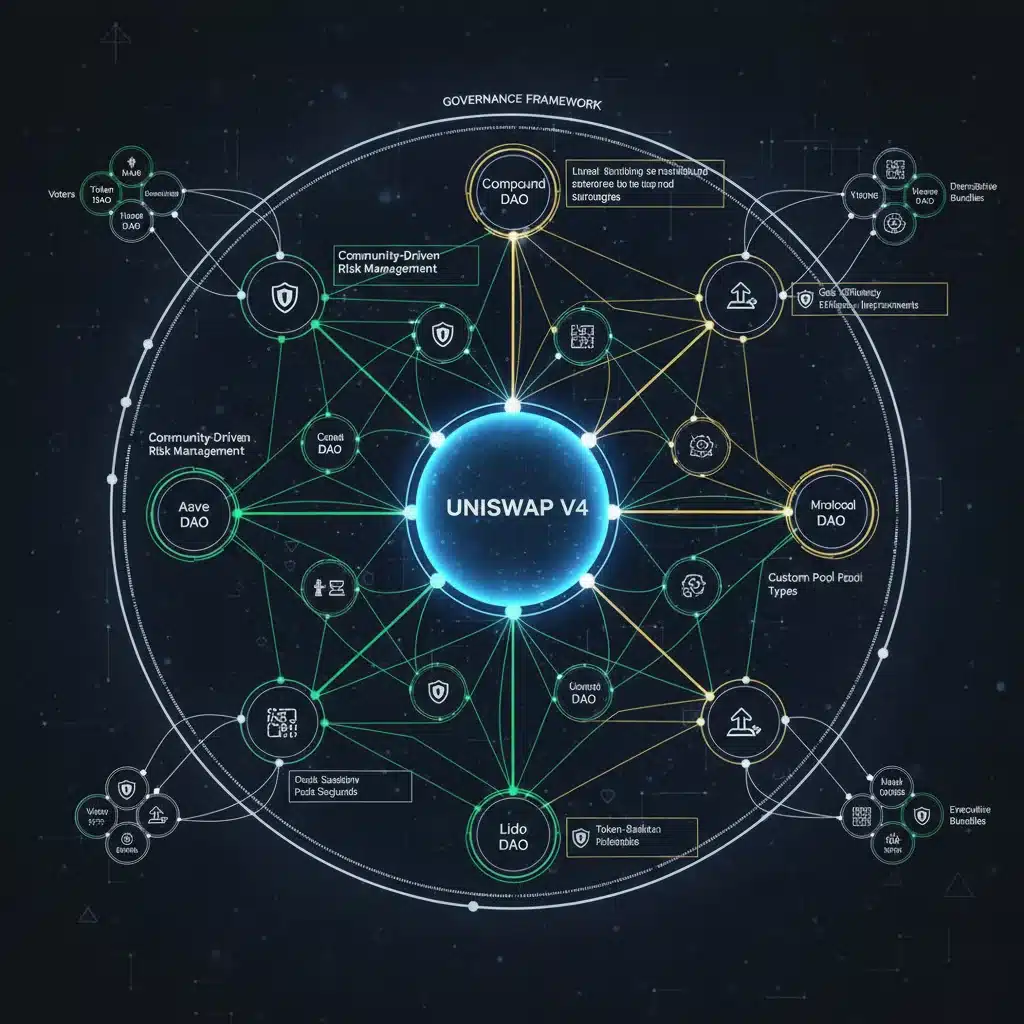
In 2026, Decentralized Autonomous Organizations (DAOs) will play an increasingly vital role in shaping the future of Uniswap V4 and its impermanent loss dynamics. Community governance can influence protocol upgrades, fee structures, and even the implementation of specific impermanent loss mitigation features.
- Protocol Upgrades: DAOs can vote on proposals to integrate new impermanent loss protection mechanisms directly into the Uniswap V4 core protocol or through specific hook implementations. This could include features like dynamic fee models that are more favorable to LPs during volatile periods.
- Incentive Alignment: DAOs can design incentive programs that reward LPs who adopt impermanent loss-reducing strategies, thereby fostering a more robust and sustainable liquidity ecosystem.
- Research and Development: Community-driven research initiatives can explore novel approaches to DeFi Impermanent Loss, leveraging the collective intelligence of the ecosystem to identify and implement innovative solutions.
Active participation in Uniswap’s governance and the broader DeFi DAO ecosystem will become an essential strategy for LPs looking to influence the future of impermanent loss mitigation and ensure a more favorable environment for liquidity provision.
Future Outlook: Beyond 2026 for DeFi Impermanent Loss
Looking beyond 2026, the evolution of Uniswap V4 and the broader DeFi landscape will continue to present new challenges and opportunities for managing DeFi Impermanent Loss. We can anticipate even more sophisticated solutions emerging:
- Cross-Chain Impermanent Loss Management: As interoperability between blockchains increases, strategies for managing impermanent loss across different chains and AMMs will become crucial.
- Personalized Risk Profiles: Future DeFi platforms might offer highly personalized risk management tools, allowing LPs to define their acceptable levels of impermanent loss and auto-adjust their strategies accordingly.
- Integration with Traditional Finance: As DeFi matures, we may see integrations with traditional financial tools and models for more robust risk assessment and hedging strategies against impermanent loss.
The journey to completely eliminate impermanent loss is an ongoing one, but with the innovative architecture of Uniswap V4 and the continuous advancements in DeFi, LPs are better equipped than ever to navigate these risks and optimize their returns.
Conclusion: Mastering DeFi Impermanent Loss on Uniswap V4
Mitigating DeFi Impermanent Loss on Uniswap V4 in 2026 is not merely about avoiding losses; it’s about optimizing capital efficiency and maximizing returns in a dynamic and competitive environment. By embracing strategies such as dynamic rebalancing, strategic asset pairing, leveraging derivatives for hedging, and exploring specialized impermanent loss protection protocols, LPs can significantly reduce their exposure to this inherent DeFi risk. The customizable hooks of Uniswap V4 offer an unparalleled opportunity for innovation, allowing for the creation of more resilient and profitable liquidity pools.
Achieving a 5% reduction in impermanent loss is a realistic and achievable goal for informed and proactive liquidity providers. As the DeFi ecosystem continues its rapid expansion, continuous learning, adaptation, and the strategic application of these advanced techniques will be paramount for success. The future of liquidity provision on Uniswap V4 is bright for those who master the art and science of impermanent loss mitigation.