Altcoin market trend analysis: what you need to know

The altcoin market in 2024 is poised for growth, driven by technological advancements, regulatory clarity, and increasing community engagement, while risks such as volatility and market manipulation remain significant.
Altcoin market trend analysis is crucial for any investor hoping to capitalize on the ever-evolving cryptocurrency landscape. With so many altcoins available, figuring out where to invest can seem overwhelming. But don’t worry, we’ll break it down together.
Understanding altcoins and their market dynamics
Understanding altcoins and their market dynamics is essential for anyone looking to invest wisely in the cryptocurrency space. With thousands of different altcoins available, gaining insight into how they function can lead to more informed decisions.
What are Altcoins?
Altcoins refer to any cryptocurrency other than Bitcoin. They come in various forms and serve different purposes. Some are designed to enhance the functionality of existing blockchains, while others aim to create new ecosystems entirely.
Market Dynamics of Altcoins
The altcoin market is influenced by several factors, including market sentiment, technological advancements, and regulatory news. Keeping an eye on these factors can help investors predict price movements.
- Market sentiment can drive rapid price changes.
- Technological advancements can lead to new use cases for altcoins.
- Regulatory news can affect investor confidence.
- Community support often plays a significant role in an altcoin’s success.
Another critical aspect of altcoin dynamics is liquidity. Liquidity refers to how easily an asset can be bought or sold in the market without affecting its price. Coins with higher liquidity tend to have more stable prices than those with lower liquidity, making them safer investments for newcomers.
Moreover, it’s important to consider the use case of an altcoin when evaluating its potential. Coins that solve real-world problems or meet high demand tend to perform better in the long run. For instance, Ethereum’s decentralized platform has opened up numerous projects, creating significant value within the market.
Factors Influencing Altcoin Performance
When analyzing an altcoin, there are several key factors to explore:
- The team behind the project and their expertise.
- The technology used, including its scalability and security.
- The coin’s adoption rate and community engagement.
- The overall market trends affecting cryptocurrencies.
By understanding these elements, you can make better investment choices within the altcoin market. Knowledge is power, and in this volatile environment, staying informed can significantly impact your investment success.
Key factors influencing altcoin trends
Many factors come into play when analyzing the trends in altcoins. Recognizing these key influences can help investors make informed decisions and capitalize on market movements. Understanding these elements is crucial for anyone looking to navigate the volatile landscape of cryptocurrencies.
Market Sentiment
The overall market sentiment significantly affects altcoin trends. Positive news can lead to bullish behavior, while negative developments may trigger sell-offs. Tracking social media trends and community discussions is a good way to gauge sentiment.
Technological Developments
Innovations in technology often shape the trajectory of altcoins. Projects that introduce scalable solutions or unique features can gain popularity quickly. Monitoring updates and new releases from various projects is essential to understand potential price changes.
- New partnerships can enhance a project’s credibility.
- Upgrades can lead to better performance and user experience.
- Forks or changes in a coin’s protocol can shift its value.
- Security improvements are critical for maintaining investor trust.
Moreover, regulatory news plays a significant role in the behavior of altcoin markets. Changes in legislation can impact investor confidence, leading to increased volatility. For example, announcements regarding cryptocurrency bans or endorsements can cause immediate fluctuations in price.
Additionally, market conditions, such as the rise or fall of Bitcoin, set the tone for altcoin prices. As Bitcoin tends to lead the market trends, substantial movements in its price often lead altcoins to follow suit, either positively or negatively. This correlation results in many traders looking for opportunities in altcoins when Bitcoin shows strength.
Community Engagement
A strong and active community often drives the success of an altcoin. Projects with engaged users encourage participation and investment. Platforms that actively communicate with their supporters through forums, social media, and events tend to maintain interest and bolster market performance.
Overall, these key factors create a complex environment where understanding altcoin trends requires continuous analysis and adaptation. Focusing on market sentiment, technological developments, regulatory news, and community engagement can significantly enhance your investment strategies.
How to analyze altcoin price movements
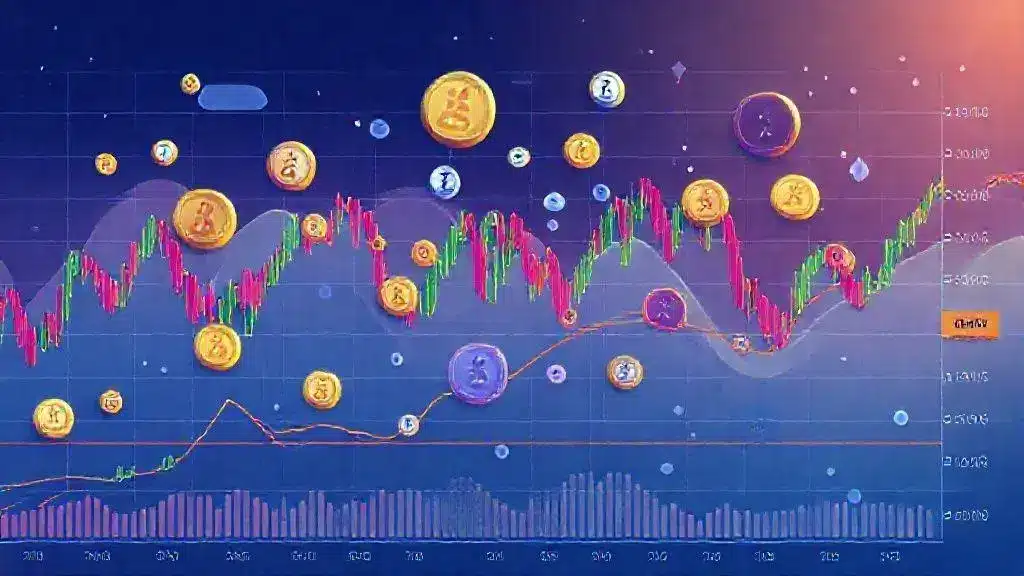
Understanding how to analyze altcoin price movements is vital for investors. The process involves examining various factors that influence price changes in the cryptocurrency market. This knowledge helps investors make timely decisions and increase their chances of success.
Key Indicators
Several key indicators are essential for analyzing altcoin price movements. These include:
- Volume: Indicates the amount of trading activity for a specific altcoin. Higher volumes often suggest strong interest and can lead to increased price volatility.
- Market Capitalization: Refers to the total value of an altcoin in circulation. Significant shifts in market cap can signal trends or shifts in investor sentiment.
- Historical Price Patterns: Looking at past price movements can reveal recurring patterns that may help predict future trends.
Monitoring these indicators gives investors a clearer picture of market conditions. By analyzing them together, one can identify whether an altcoin is undervalued or overvalued.
Using Technical Analysis
Technical analysis involves studying price charts to recognize trends and patterns. Investors often use various tools and techniques, such as:
- Support and Resistance Levels: These levels indicate where prices may stop falling or rising. Understanding them helps investors decide when to enter or exit a position.
- Moving Averages: This technique helps smooth out price data to identify trends more clearly. Commonly used moving averages include the 50-day and 200-day averages.
- Relative Strength Index (RSI): This momentum oscillator measures the speed and change of price movements. It helps identify whether an altcoin is overbought or oversold.
Combining these technical indicators with fundamental analysis can provide a comprehensive view of an altcoin’s potential. Fundamental analysis looks at factors like the project’s purpose, team, and technology to gauge the overall value.
Staying updated with market news and trends is also crucial for analyzing price movements. Factors like regulation changes, technological updates, and partnerships can all have significant impacts on altcoin prices. Investors should always be prepared to adapt to the dynamic nature of the crypto market. By implementing a well-rounded approach, you can enhance your analysis of altcoin price movements, leading to better investment decisions.
Risks and rewards in altcoin investing
Investing in altcoins presents both risks and rewards that every investor needs to understand. The potential for high returns often entices people, but it is essential to recognize the associated dangers.
Understanding the Risks
One of the most significant risks in altcoin investing is the volatility of the market. Prices can fluctuate dramatically in short periods, making it easy to incur losses. Factors that contribute to this volatility include market sentiment, regulatory changes, and overall economic conditions.
Another risk is the lack of regulation in the cryptocurrency space. Many altcoins do not have oversight, which can lead to fraud or security breaches. Investors may face challenges when trying to recover funds lost due to scams or hacks.
- Market Manipulation: The smaller market capitalizations of many altcoins make them susceptible to manipulation by individuals or groups.
- Lack of Liquidity: Some altcoins may have low trading volumes, making it difficult to buy or sell quickly without affecting the price.
- Sweeping Technologies: Rapid technological changes can render a project obsolete, leading to loss of investment.
Evaluating the Rewards
Despite the risks, altcoin investing can yield significant rewards. One major advantage is the potential for high returns. Since many altcoins are priced lower than established cryptocurrencies like Bitcoin, investors can buy in at a cheaper rate.
Furthermore, altcoins often fill niches that Bitcoin cannot address. For instance, projects focusing on smart contracts or decentralized finance (DeFi) may offer innovative solutions and attract users, driving their value higher.
- Diverse Opportunities: There are thousands of altcoins available, providing various investment options across different sectors.
- Pioneering Technology: Some altcoins incorporate cutting-edge technology, which can lead to enhanced utility and value.
- Community Support: Projects with strong communities often gain traction, leading to increased adoption and price appreciation.
Navigating the landscape of altcoin investing requires careful assessment of each project’s fundamentals and market conditions. As an investor, it’s vital to balance these risks with the potential for extraordinary growth. With research and strategy, you can maximize rewards while being aware of the inherent risks.
Future outlook for altcoins in 2024
The future outlook for altcoins in 2024 is a topic of great interest among investors. As the cryptocurrency market continues to evolve, several trends and factors may influence the performance of altcoins over the next year.
Technological Advancements
One of the primary drivers of altcoin value is technological innovation. Projects that can improve scalability, security, and usability are likely to gain traction in 2024. For example, advancements in blockchain technology or new consensus mechanisms can enhance performance and attract users.
Market Sentiment and Regulation
Market sentiment remains a key factor in determining altcoin trends. As regulatory frameworks become clearer, investor confidence may increase. In 2024, we may see governments worldwide implementing regulations that foster growth while protecting consumers. This could open doors for legitimate projects while phasing out scams.
- Growing Institutional Interest: More institutional investors are likely to enter the altcoin space, bringing capital and credibility.
- Increased Adoption: As more users turn to cryptocurrencies for everyday transactions, altcoins that offer practical solutions may rise in popularity.
- Decentralized Finance (DeFi): The DeFi sector continues to expand, and altcoins linked to innovative DeFi projects may see significant growth.
Moreover, community engagement will play a pivotal role. Projects with strong, active communities tend to perform better, as they foster trust and promote user participation. In 2024, social media and community platforms will likely continue to shape altcoin narratives, influencing investments and project developments.
While the future holds potential, it is also essential to consider the possible risks. Market volatility will remain a challenge, as sudden shifts can impact prices dramatically. Investors should stay informed about market trends and be prepared to navigate volatility wisely.
In summary, the outlook for altcoins in 2024 appears promising, driven by technological advancements, regulatory clarity, and growing interest from various sectors. However, as always, investors should maintain a cautious approach and conduct thorough research before diving into the ever-changing landscape of cryptocurrencies.
FAQ – Frequently Asked Questions about Altcoin Investing
What are altcoins?
Altcoins are any cryptocurrencies other than Bitcoin, often designed to serve different functions or improve upon existing technologies.
How can I analyze altcoin price movements?
To analyze price movements, look at key indicators like volume, market cap, and historical patterns, and utilize technical analysis tools.
What are the risks of investing in altcoins?
Risks include high volatility, potential market manipulation, and a lack of regulation which may expose investors to scams.
What factors can affect altcoin prices?
Factors such as market sentiment, technological advancements, regulatory changes, and community engagement all influence altcoin prices.