Altcoin project roadmap evaluation: what you need to know

Evaluating an altcoin project roadmap involves examining clear objectives, realistic timelines, and successful case studies while avoiding common pitfalls to ensure informed investment decisions.
When considering an investment, altcoin project roadmap evaluation plays a crucial role in understanding potential success. Have you ever wondered what sets apart projects that flourish from those that fade? Let’s dive into the elements that define a compelling roadmap.
Understanding the importance of roadmaps
Understanding the importance of roadmaps in altcoin projects is essential for investors. A roadmap functions much like a blueprint, guiding the development and direction of a project. It outlines the vision, strategy, and milestones necessary for achieving long-term goals.
Why Roadmaps Matter
Roadmaps are not merely a marketing tool; they are critical indicators of a project’s potential success. An effective roadmap provides transparency, builds trust, and helps investors gauge a project’s timeline. By analyzing a roadmap, potential backers can identify key phases of development and understand how the team plans to allocate resources.
Key Elements of Effective Roadmaps
When reviewing a roadmap, focus on these vital elements:
- Clear Milestones: Each milestone should be specific and achievable.
- Realistic Timelines: Watch for timelines that are excessively optimistic.
- Team Background: Assess the experience and track record of the team members.
- Funding Goals: Ensure that funding stages align with project milestones.
Moreover, a good roadmap should adapt to changing market conditions. Flexibility indicates that a project is agile and responsive, characteristics essential in the fast-paced world of cryptocurrencies. If adjustments are needed, the project team should communicate these changes promptly and effectively, maintaining investor confidence.
In summary, understanding roadmaps can make a significant difference for investors looking to navigate the altcoin landscape. By focusing on the structure and details, you can make informed decisions that align with your investment strategy.
Key components of a successful roadmap
A successful roadmap in altcoin projects hinges on several critical components that drive clarity and direction. These components are essential for both developers and investors to ensure that goals align with broader market trends.
Essential Components of Roadmaps
Every effective roadmap should incorporate the following elements:
- Vision Statement: This is a clear explanation of the project’s purpose and ultimate goal.
- Milestones: Specific targets with deadlines help measure progress effectively.
- Funding Requirements: Clearly outlined financial needs tied to project stages.
- Market Analysis: Insights into how the project will compete within the market.
Moreover, transparency is key. Stakeholders should easily access information regarding changes in the roadmap. This includes updates on project developments and responses to market feedback. A roadmap should evolve to reflect new technologies, regulatory changes, or shifts in user needs, helping to maintain investor confidence.
In addition to clear communication, it’s valuable for projects to illustrate their roadmap visually. This enables investors to quickly grasp the direction and scope of the project. Engaging graphics and timelines can make complex details more digestible, aiding in comprehension.
Ultimately, by ensuring that roadmaps encompass these key components, altcoin projects can significantly enhance their prospects and efficacy in the ever-changing landscape of cryptocurrency.
Assessing the credibility of a project’s timeline
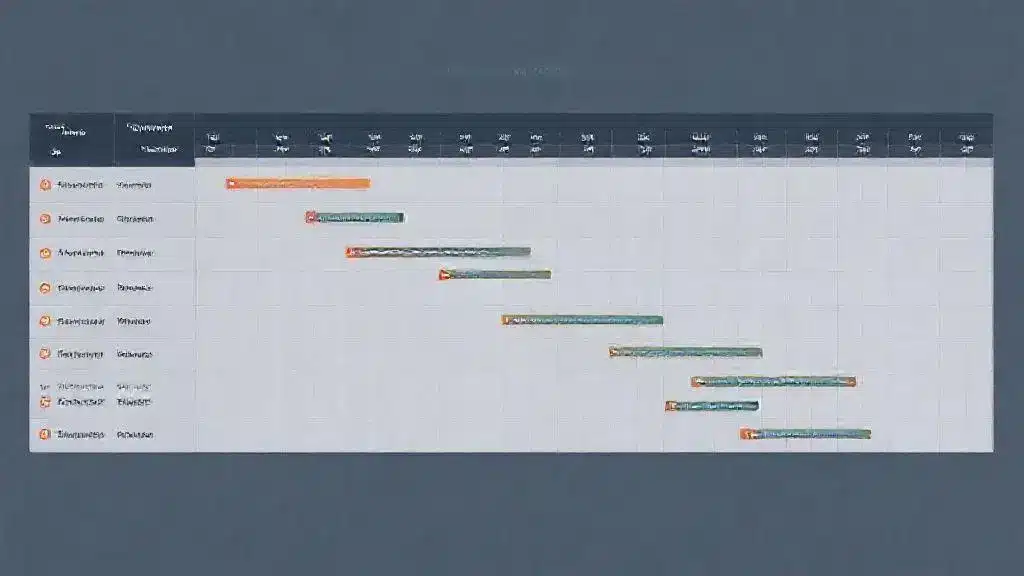
Assessing the credibility of a project’s timeline is a crucial step for investors interested in altcoin projects. A well-defined timeline outlines the phases of development and helps stakeholders predict when key milestones will be achieved.
Understanding the Timeline Components
A credible timeline should include several important components:
- Milestone Dates: Specific dates for each milestone are essential to gauge progress.
- Dependencies: Relationships between tasks that can affect other parts of the timeline.
- Buffer Times: Appropriate buffer times can indicate readiness for unexpected challenges.
- Realistic Deadlines: Instead of overly ambitious targets, achievable deadlines reflect a thoughtful planning process.
To evaluate a timeline’s credibility, consider how it adapts to changes in the market or project circumstances. A flexible approach shows that a team can pivot when necessary. Review past timelines for accuracy and completion rates to assess how current projections may fare.
Red Flags in Project Timelines
Investors should be vigilant for specific warning signs that may indicate a timeline’s lack of credibility. Unclear or vague timelines can be a serious concern. Additionally, if a project frequently misses deadlines without valid reasons, this may signal deeper issues. Sometimes, overly optimistic goals can mask potential flaws within the project’s structure or execution capability.
As you assess the credibility of an altcoin project’s timeline, ensure you engage with community discussions and reviews. Engaging with other investors can provide insights into how others perceive the project’s reliability. Take time to analyze feedback and updates shared by the development team, which can further inform your understanding.
Common pitfalls in roadmap evaluation
When conducting a roadmap evaluation for altcoin projects, it’s important to be aware of common pitfalls that could distort your assessment. Identifying these pitfalls helps investors make more informed decisions.
Lack of Clear Objectives
One major pitfall is the absence of clear, defined objectives in the roadmap. Without specific goals, it can be challenging to measure progress or success. A roadmap should outline not just what will be done, but also why each milestone is important.
Overly Optimistic Timelines
Another issue is the presentation of overly optimistic timelines. Many projects may promise rapid development without realistic strategies for achieving these goals. It is crucial to analyze if timelines consider potential challenges and market conditions.
- Inconsistency: Consistent updates are key; frequent changes to timelines can be a red flag.
- Neglecting Risks: Ignoring potential risks associated with project phases can lead to significant issues later on.
- Communication Gaps: A lack of communication about updates and adjustments can signal deeper problems.
Furthermore, failing to engage with the community can result in overlooking valuable insights. Communities often provide feedback that may highlight weaknesses or strengths in a roadmap. Listening to user sentiment can guide a more accurate evaluation.
Lastly, don’t forget to review the track record of the team behind the project. If a project has a history of missed deadlines without proper explanations, this could indicate future risks. By being aware of these pitfalls, investors can perform thorough evaluations that enhance their understanding of an altcoin project‘s potential for success.
Case studies of successful altcoin roadmaps
Examining case studies of successful altcoin roadmaps can provide valuable insights for investors and developers alike. These real-world examples highlight how effective roadmaps can drive projects to success and gain investor trust.
Example 1: Project A
Project A launched with a well-defined roadmap that included clear milestones and a focus on community engagement. They outlined their development phases and consistently updated their users about progress. This transparency built a strong reputation and encouraged widespread adoption.
Example 2: Project B
Project B is another success story. Their roadmap included a timeline with specific goals, such as launching their mainnet and integrating with popular exchanges. By hitting these deadlines, they were able to maintain investor confidence and keep their community informed.
- Milestone Achievements: Both projects demonstrated how reaching milestones can enhance credibility.
- Adapting to Change: They were flexible, modifying their plans based on market feedback.
- Community Involvement: Engaging with the community was a common strategy, allowing for feedback and suggestions.
Another interesting case is Project C, which faced challenges early on. However, by revising their roadmap to better align with user needs and market conditions, they managed to turn their situation around. They added realistic timelines and involved the community in decision-making, leading to renewed interest and investment.
Each of these examples illustrates various aspects of what makes a roadmap effective. Successful altcoin projects not only set clear goals but also actively involve their communities, allowing for positive feedback loops that can lead to sustained growth.
FAQ – Frequently Asked Questions about Altcoin Project Roadmaps
What is the importance of a roadmap in altcoin projects?
A roadmap outlines the development goals and timelines, helping stakeholders understand the project’s direction and plan for investments.
How can I assess the credibility of an altcoin project’s timeline?
To assess credibility, look for clear milestones, realistic deadlines, and consistent updates about progress and changes.
What are common pitfalls in evaluating altcoin roadmaps?
Common pitfalls include lack of clear objectives, overly optimistic timelines, neglecting risks, and failure to engage the community.
Why should I study successful case studies of altcoin roadmaps?
Studying successful case studies helps investors learn effective strategies and avoid common mistakes in roadmap planning and execution.