altcoin technical indicator tracking: spot trends fast
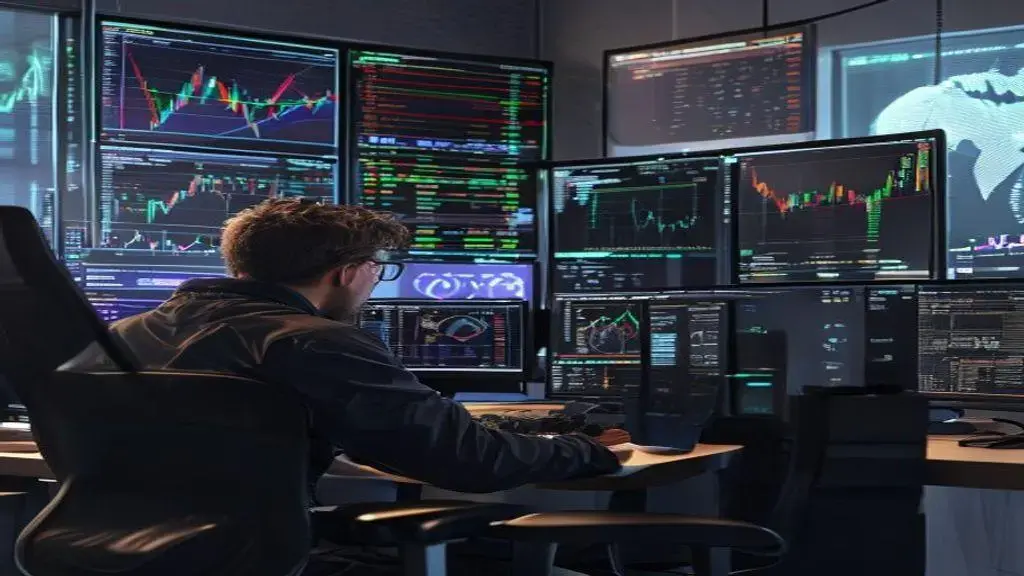
altcoin technical indicator tracking turns chart data into repeatable signals by combining trend, momentum, and volatility indicators with filters, multi-timeframe confirmation and ATR-based risk, enabling clearer trade decisions and fewer false signals.
altcoin technical indicator tracking can feel like a firehose — lots of lines, few clear calls. Curious how to turn indicators into simple, reliable signals? I’ll walk through examples, quick checks and realistic setups you can try today.
How indicators map altcoin price behavior
altcoin technical indicator tracking makes price moves easier to read by turning raw charts into clear cues. Small, consistent checks can cut confusion.
Below we map how common indicators reflect different parts of price action and how to combine them without overload.
Common indicators and what they show
Each indicator highlights a different market feature: trend direction, speed of moves, or volatility.
- Moving averages — show the trend and smooth noise; use short and long periods to spot crossovers.
- RSI (Relative Strength Index) — measures momentum and helps spot overbought or oversold conditions.
- MACD — combines trend and momentum, useful for spotting shifts when lines cross.
- Bollinger Bands — reflect volatility and price range; price touching bands signals expansion or squeeze.
Timeframe matters: a 5-minute chart shows quick swings; a daily chart shows the bigger trend. Match indicator settings to how long you plan to hold a trade.
Adjust smoothing to reduce noise. Short periods catch moves earlier but give more false signals; longer periods lag but confirm major trends.
Reading signals: crossovers, divergence, and momentum
Not every signal means act now. Look for confirmation across tools and volume before deciding.
- Crossover — when a short moving average crosses a long one, it hints at a trend change; stronger if supported by rising volume.
- Divergence — price making new highs while RSI falls can warn of weakening momentum.
- Momentum shifts — a rising RSI or MACD histogram supports bullish moves; drops suggest loss of strength.
Combine signals rather than relying on one. A MA crossover plus rising RSI and expanding volume is more reliable than any single reading.
Also account for noise common in smaller altcoin markets: wide spreads and thin order books can flip signals fast, so use stop levels and position sizing to manage risk.
In practice, map each indicator to a clear rule you can test: when X and Y align, consider a trade; otherwise wait. This keeps tracking disciplined and repeatable.
The key is simplicity: pick a few indicators that complement each other, set clear timeframes, and confirm signals before acting to improve your altcoin technical indicator tracking process.
Choosing indicators: momentum, trend and volatility
altcoin technical indicator tracking begins with picking indicators that match your goal: spot trend, measure momentum, or read volatility. A clear choice saves time and confusion.
Keep the set small and match indicator settings to your timeframe for simpler, repeatable signals.
Trend indicators: find the market bias
Trend tools show the general direction of price. They help you avoid trading against the main move.
Moving averages smooth price and reveal trend direction. Use one short and one long to spot crossovers. A long MA shows the bigger bias; a short MA shows recent shifts.
Momentum indicators: check strength and speed
Momentum gauges how fast price moves. It helps spot runs and potential reversals before price changes much.
- RSI shows if an asset is overbought or oversold; useful for pullback timing.
- MACD mixes trend and momentum; crossovers and histogram shifts hint at momentum changes.
- Use momentum to time entries within a trend, not as the lone reason to trade.
Volatility tells you how wide price swings may be. High volatility can mean big moves or big risk, so adjust size and stops accordingly.
Volatility tools and why they matter
Bollinger Bands expand with volatility and squeeze when the market is calm. ATR (Average True Range) gives a numeric measure to set stops and position size.
- Use ATR to place stops that match typical price swings.
- Watch Bollinger squeezes as early signs of a breakout.
- Combine volatility readings with trend direction to avoid trading noisy whipsaws.
Mixing types works best: a trend indicator gives bias, momentum confirms strength, and volatility sets sensible stops. This three-part split keeps decisions clearer.
Match settings to the coin and timeframe. Small-cap altcoins need wider volatility buffers. Short-term charts use faster MAs and lower RSI periods; longer frames use smoother settings.
Test combinations on past data or a demo account. Note which setups give clear, repeatable signals and which produce too many false alerts.
Keep rules simple: define what a valid setup looks like, what confirms it, and where to place risk limits. Simplicity helps maintain discipline across many coins.
Choose a core set of indicators that cover trend, momentum, and volatility. Use them together, not as separate opinions, to improve your altcoin technical indicator tracking.
Setting alerts and tracking signals across multiple coins
altcoin technical indicator tracking works best when alerts are smart and organized. Set simple rules and let alerts bring only the most useful signals.
Good tracking saves time and cuts noise across many coins.
Pick platforms and channels
Choose tools that fit your workflow: exchange alerts, charting platforms, or a dedicated alert manager. Sync alerts to the devices you use.
- Mobile push for instant action.
- Email for end-of-day summaries.
- Webhooks to feed signals into bots or spreadsheets.
- Desktop notifications for active sessions.
Group coins by priority or strategy. Track high-priority tokens with tighter settings and low-cap coins with wider buffers to avoid false triggers.
Define clear alert rules
Make each alert a simple, testable rule. Combine indicator conditions rather than relying on one line crossing.
- Example: EMA crossover + RSI above 50 + volume up 30%.
- Example: Price breaks Bollinger Band after a 10-day squeeze.
- Use ATR-based distance for stop placement in the same rule.
Use timeframes that match your plan. A 15-minute alert for day trades, daily alerts for swing positions. Keep settings consistent per timeframe.
Reduce noise with filters and cooldowns
Filters stop tiny moves from spamming you. Add volume, spread, or market-cap minimums to each alert.
Cooldowns prevent repeat alerts from the same trigger. Set a cool-off period after an alert fires to avoid clutter.
Organize, prioritize, and test
Use folders or tags to sort alerts: setups, breakouts, confirmations. Prioritize alerts that match your rules and capital available.
- Tag alerts by strategy (trend, momentum, volatility).
- Assign a priority level and expected action (watch, enter, exit).
- Backtest or paper-trade the alert rules before using real funds.
Track hits and misses. Keep a simple log: what fired, why you acted, and the outcome. This builds a dataset to refine rules over time.
Automate where safe: webhooks can open orders or notify a team. Always add confirmation checks to automations to avoid errors in fast markets.
Remember limits: API rate caps and platform delays can affect alerts. Monitor latency and adjust thresholds for low-liquidity altcoins.
With clear rules, grouped alerts, and simple filters, you can monitor many altcoins without getting overwhelmed and improve your altcoin technical indicator tracking.
Avoiding false signals with filters and confirmation techniques
altcoin technical indicator tracking often throws false signals. Filters and confirmations cut the noise and help you act on higher-probability setups.
Small, clear rules make alerts easier to trust and follow across many coins.
Volume and liquidity checks
Volume confirms interest. Low volume often means a fake move. Liquidity affects execution and slippage.
- Require volume above a short-term average before trusting a signal.
- Set a minimum market-cap or bid-ask depth to avoid tiny, illiquid tokens.
- Ignore signals during thin sessions or large spreads.
Use volume spikes as confirmation, not as the sole trigger. Combine with price action for context.
Multi-timeframe confirmation
Signals that align across timeframes are stronger. Check a higher timeframe to avoid trading against the main bias.
If a 15-minute crossover appears, verify the 4-hour trend first. If both agree, the setup has more weight.
Indicator cross-confirmation and filters
Combine different types of indicators: trend, momentum, volatility. Each covers a different angle.
- Trend filter: moving average slope or higher-timeframe bias.
- Momentum filter: RSI or MACD confirming strength.
- Volatility filter: ATR or Bollinger Band behavior to size stops.
A valid signal often needs two or three confirmations. This reduces false positives from any single line crossing.
Cooldowns, thresholds, and pattern checks
Cooldowns stop repeated triggers from the same move. Thresholds avoid tiny crossovers that mean nothing.
Look for simple price patterns or candle confirmation before entry. A breakout plus a retest is usually safer than a lone break.
Automations and human checks
Automate only clear, tested rules. Keep a manual confirmation step for fast-moving or low-liquidity altcoins.
Webhooks and bots can execute rules, but add filters like volume and ATR distance to avoid costly mistakes.
Document every rule and log outcomes. Track false signals to refine filters and reduce repeat errors.
Use a short checklist for each signal: timeframe alignment, volume condition, indicator confirmations, volatility-adjusted stop, and a cooldown. This checklist turns gut reactions into repeatable steps for better altcoin technical indicator tracking.
A practical routine for reviewing signals and adjusting strategy
altcoin technical indicator tracking improves when you follow a short, repeatable review routine. A steady habit turns noisy alerts into useful insights.
Set clear times and simple steps so you can act without second-guessing.
Daily quick review
Start each session with a fast checklist to catch real opportunities and ignore noise.
- Scan priority coins for active alerts and note context.
- Check a higher timeframe for trend alignment.
- Verify volume and spreads before considering entry.
Keep the daily review under 15 minutes unless a setup requires deeper work.
Weekly performance check
Once a week, review what worked and what did not. Look for patterns in winners and losers.
Track win rate, average return, and common failure causes. Use this to adjust filter thresholds or alert rules.
Metrics to log and monitor
Consistent metrics reveal which setups are repeatable.
- Win rate — percent of trades that met rules and profited.
- Average return — mean gain or loss per trade.
- Maximum drawdown and average trade duration.
Log each signal: setup, timeframe, position size, entry, stop, and outcome. Short notes help you spot bias or execution issues later.
Adjusting indicators and rules
When rules underperform, make small, testable changes. Change one variable at a time so you know its effect.
Lower false alarms by tightening filters or adding volume and ATR checks. If you miss moves, consider faster indicator settings on smaller timeframes.
Tools and automation in the routine
Use alerts, spreadsheets, and simple scripts to speed reviews but keep manual checks for tricky markets.
- Automate data capture with webhooks or CSV exports.
- Use a dashboard to sort alerts by priority.
- Paper-trade or backtest rule edits before going live.
End each review with a short action plan: rules to keep, rules to tweak, and coins to pause or add. This keeps your process adaptive and data-driven.
Stick to the routine, review outcomes, and refine rules gradually to make your altcoin technical indicator tracking more reliable over time.
altcoin technical indicator tracking works best when it is simple, repeatable, and rule-based. Pick a small set of indicators that complement each other, filter noisy signals, and confirm across timeframes. Follow a short review routine and log results to slowly improve your edge.
FAQ – altcoin technical indicator tracking
Which indicators should I start with for altcoins?
Start with one for trend (moving average), one for momentum (RSI or MACD), and one for volatility (ATR or Bollinger Bands). Keep the set small.
How do I avoid false signals?
Require two confirmations like a moving average crossover plus rising volume or matching momentum on a higher timeframe. Use filters for volume and cooldowns.
What’s the best way to set alerts across many coins?
Group coins by priority, use timeframe-matched rules, send alerts to the device you check most, and add filters to reduce noise.
How should I manage risk when trading altcoins?
Use ATR-based stops to match volatility, size positions to limit loss per trade, and log outcomes to refine stop placement over time.