Bitcoin Mining Profitability in the U.S. for 2026: A Quarterly Outlook

Analyzing Bitcoin mining profitability in the U.S. for 2026 necessitates a comprehensive quarterly assessment of cutting-edge hardware, fluctuating electricity expenses, and the evolving regulatory environment to inform strategic investment.
As we step into 2026, the landscape of Bitcoin Mining Profitability in the U.S. continues its dynamic evolution, driven by technological advancements, energy market shifts, and a maturing regulatory framework. This article provides a quarterly outlook, dissecting the critical factors that will shape miners’ bottom lines across the nation, offering insights for both seasoned operators and prospective investors.
Q1 2026: The Initial Landscape and Hardware Advancements
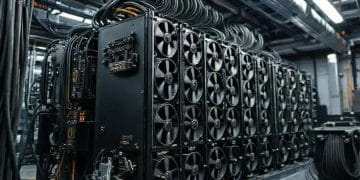
The first quarter of 2026 sets the tone for the entire year in Bitcoin mining. We observe the initial impact of new generation Application-Specific Integrated Circuits (ASICs) hitting the market, pushing efficiency boundaries further. These machines offer significantly improved hash rates per watt, making older models less competitive unless supported by extremely low electricity costs.
This period is characterized by early adopters integrating these advanced rigs, aiming to capitalize on their efficiency gains before wider deployment leads to increased network difficulty. Understanding the performance benchmarks of these new ASICs is paramount for any miner looking to maintain or improve their profitability.
Next-Generation ASIC Technology
The rapid pace of innovation in ASIC technology means that miners must constantly evaluate their hardware. Q1 2026 sees the consolidation of 3nm and even experimental 2nm chip architectures, offering unprecedented processing power with reduced energy consumption. These advancements are crucial for maintaining an edge in a highly competitive sector.
- Efficiency Metrics: Focus on joules per terahash (J/TH) as the primary indicator of a miner’s efficiency. Lower J/TH values directly translate to lower electricity costs per Bitcoin mined.
- Supply Chain Dynamics: Monitor the availability and pricing of these new ASICs, as early supply chain constraints can significantly impact deployment schedules and initial profitability.
- Obsolescence Risk: Older hardware faces accelerated obsolescence, necessitating strategic planning for upgrades or divestment, especially in regions with higher electricity rates.
The strategic deployment of these new machines during Q1 is often a race against time, as network difficulty adjusts to accommodate increased hashing power. Miners who secure and deploy these units quickly can enjoy a temporary advantage, capturing a larger share of block rewards before the market fully recalibrates. This initial phase is critical for establishing a strong operational foundation for the rest of the year.
Q2 2026: Energy Market Volatility and Regional Cost Analysis
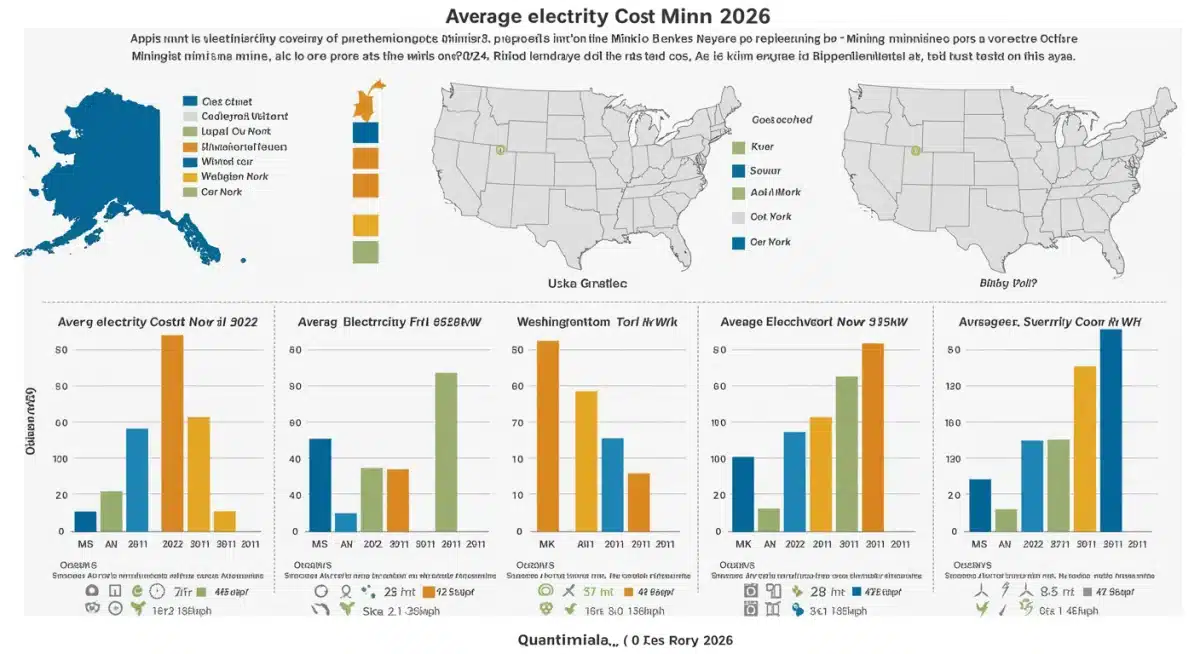
Moving into the second quarter, energy market dynamics typically become a more pronounced factor. Seasonal demand shifts, geopolitical events, and the increasing integration of renewable energy sources can introduce significant volatility in electricity prices across different U.S. regions. This quarter demands a granular understanding of regional energy costs to optimize mining operations.
Miners with flexible operations or access to diverse energy portfolios are better positioned to mitigate these fluctuations. The U.S., with its varied energy mix and regulatory structures, presents a complex but potentially rewarding environment for strategic energy sourcing.
Key Electricity Cost Drivers
Several factors contribute to the varying electricity costs across the U.S. in Q2 2026. These include the prominence of renewable energy, state-specific energy policies, and the overall demand-supply balance within regional grids. Understanding these drivers is essential for forecasting operational expenses.
- Renewable Energy Integration: States with high proportions of hydro, solar, or wind power often offer more stable and potentially lower electricity rates, especially during peak generation times.
- Natural Gas Prices: In regions heavily reliant on natural gas for electricity generation, price swings can directly impact mining costs.
- Transmission and Distribution Fees: Beyond the generation cost, fees associated with transmitting and distributing electricity can add a significant layer to overall expenses, varying by utility and state.
The second quarter is often when miners re-evaluate their energy contracts and consider relocating operations to more favorable jurisdictions if current costs become unsustainable. This period highlights the importance of energy efficiency beyond just hardware, extending to the entire operational setup, including cooling systems and power infrastructure. Proactive energy management can be the difference between profit and loss.
Q3 2026: Network Difficulty, Halving Impact, and Regulatory Scrutiny
The third quarter of 2026 often brings into sharper focus the cumulative effects of network difficulty adjustments and the lingering impact of any recent Bitcoin halving event. Post-halving periods typically see a shakeout of less efficient miners, as block rewards are reduced, making operational efficiency paramount. Furthermore, regulatory discussions tend to intensify, potentially introducing new compliance costs or operational restrictions.
This quarter demands a keen eye on both on-chain metrics and legislative developments. The ability to adapt to a changing regulatory landscape and maintain high operational efficiency will be crucial for sustained profitability.
Navigating Regulatory Headwinds
Regulatory frameworks for cryptocurrency mining continue to evolve in the U.S. Q3 2026 might see increased discussions around environmental impact, energy consumption, and taxation. Miners need to stay informed and potentially engage with policymakers to advocate for favorable conditions.
- Environmental Regulations: Stricter emissions standards or mandates for renewable energy sourcing could impact operational costs and site selection.
- Taxation Policies: Changes in how mining rewards or capital gains from Bitcoin are taxed can significantly alter net profitability.
- State-Level Initiatives: Be aware of varying state-level approaches to crypto mining, which can range from supportive incentives to outright bans or heavy restrictions.
The interplay of network difficulty and regulatory changes can create a challenging environment during Q3. Miners who have diversified their operations, perhaps by offering ancillary services like grid stabilization, may find additional revenue streams to offset reduced block rewards. This period emphasizes the need for robust risk management and strategic planning to navigate a complex and evolving ecosystem effectively.
Q4 2026: Economic Outlook and Market Sentiment
The final quarter of 2026 brings together all preceding factors, heavily influenced by the broader economic outlook and prevailing market sentiment towards Bitcoin. Global macroeconomic conditions, interest rate policies, and investor confidence can significantly impact Bitcoin’s price, which directly correlates with mining profitability. A strong Bitcoin price can offset rising costs or increased difficulty, while a downturn can amplify challenges.
This quarter is often a time for miners to reflect on the year’s performance and strategize for the upcoming year, considering potential market shifts and technological advancements on the horizon.
Impact of Macroeconomic Trends on Bitcoin Price
Bitcoin’s role as a hedge against inflation or a speculative asset means its price is sensitive to macroeconomic indicators. Q4 2026 will likely see continued discussions around global liquidity, inflation rates, and geopolitical stability, all of which can sway investor sentiment and, consequently, Bitcoin’s valuation.
- Interest Rates: Higher interest rates can make traditional investments more attractive, potentially diverting capital from riskier assets like Bitcoin.
- Inflation Concerns: Persistent inflation can drive demand for Bitcoin as a store of value, boosting its price.
- Geopolitical Stability: Periods of global uncertainty often lead to capital flight into perceived safe-haven assets, which sometimes includes Bitcoin.
The end of the year allows miners to consolidate their gains, learn from their losses, and prepare for future cycles. Strategic financial management, including hedging strategies and prudent reinvestment, becomes paramount. The ability to forecast market trends and react swiftly to changing economic conditions will be a distinguishing factor for profitable mining operations in Q4 2026 and beyond.
Hardware Evolution and its Impact on Profitability
The relentless march of hardware evolution is a constant in the Bitcoin mining industry. Each quarter of 2026 will see incremental improvements or significant breakthroughs in ASIC technology. These advancements directly affect profitability by increasing hash rate per unit of energy consumed, effectively lowering the cost of producing each Bitcoin.
Miners must develop a robust hardware upgrade strategy that balances the initial capital expenditure with the anticipated gains in efficiency and longevity. The decision to upgrade or expand is a complex one, requiring careful consideration of return on investment and future market conditions.
The efficiency gains from new hardware are not just about reducing electricity bills; they also allow miners to remain competitive as network difficulty inevitably rises. A miner operating with outdated, less efficient hardware will find their share of the block reward diminishing over time, even if Bitcoin’s price remains stable or increases. Therefore, continuous investment in the latest technology is not merely an option but a necessity for long-term viability.
Strategic Hardware Procurement
Securing the best hardware at competitive prices requires foresight and strong relationships with manufacturers. Miners often place orders months in advance to ensure they receive the latest models upon release, capitalizing on the initial efficiency advantage.
- Long-Term Contracts: Establishing long-term supply agreements can provide price stability and guaranteed access to new hardware.
- Secondary Market Analysis: Understanding the resale value of older generation ASICs is crucial for planning upgrades and recouping some capital.
- Maintenance and Repair: The reliability and repairability of new hardware models affect operational uptime and overall profitability.
The pace of hardware development means that a miner’s fleet can become obsolete within a few years. Therefore, a strategic approach to hardware procurement, deployment, and eventual replacement is fundamental to maintaining profitability. This includes budgeting for regular upgrades and understanding the depreciation cycle of mining equipment.
Electricity Cost Optimization Strategies for U.S. Miners
Electricity remains the single largest operational expense for Bitcoin miners. In the U.S. for 2026, optimizing these costs is paramount, especially given the potential for regional price volatility and increasing scrutiny on energy consumption. Successful miners will employ a variety of strategies to secure the lowest possible rates and minimize their environmental footprint.
These strategies range from direct negotiation with energy providers to participating in demand-response programs or even generating their own power. The goal is always to reduce the effective cost per kilowatt-hour (kWh) and ensure a stable, reliable power supply.
Beyond simply finding cheap electricity, miners are increasingly looking at sustainable energy solutions. This not only aligns with environmental, social, and governance (ESG) principles but can also unlock access to green energy incentives and more stable pricing in the long run. The integration of renewable energy sources is not just an ethical choice but a strategic business decision.
Innovative Energy Solutions
Diversifying energy sources and adopting innovative solutions can significantly reduce electricity costs and enhance operational resilience. This is particularly relevant in the U.S., where diverse energy markets allow for varied approaches.
- Direct Renewable Sourcing: Partnering with solar or wind farms, or even developing proprietary renewable energy projects, can provide long-term cost stability.
- Waste Heat Utilization: Exploring opportunities to repurpose the heat generated by mining operations, such as for greenhouses or district heating, can create additional revenue streams and improve energy efficiency.
- Load Balancing and Demand Response: Participating in grid demand-response programs, where miners curtail operations during peak demand in exchange for incentives, can significantly lower overall energy costs.
The proactive management of electricity costs is a continuous process that involves constant monitoring, negotiation, and adaptation to market conditions. Miners who embrace innovative energy solutions and actively manage their power consumption will be best positioned to thrive in the competitive U.S. mining landscape of 2026. This comprehensive approach to energy ensures both economic profitability and environmental responsibility.
| Key Factor | Description for 2026 |
|---|---|
| Hardware Advancements | New 3nm/2nm ASICs offer superior efficiency (J/TH), crucial for competitive mining profitability. |
| Electricity Costs | Regional variations and renewable energy integration heavily influence operational expenses. |
| Regulatory Landscape | Evolving U.S. regulations on energy consumption and taxation impact compliance costs and operational freedom. |
| Market Sentiment | Global economic conditions and Bitcoin’s price directly influence mining revenue and investment viability. |
Frequently Asked Questions About Bitcoin Mining Profitability
New 3nm and 2nm ASICs in 2026 will significantly boost mining efficiency, reducing the energy cost per Bitcoin. This means miners with access to the latest hardware will have a competitive advantage, while those with older machines may see reduced profitability unless they have exceptionally low electricity rates.
U.S. electricity costs vary widely by region, influenced by renewable energy integration, natural gas prices, and transmission fees. Miners must analyze local utility rates, explore green energy options, and consider demand-response programs to optimize their operational expenses and maintain profitability.
Regulatory shifts in 2026, particularly concerning environmental impact, energy consumption, and taxation, can introduce new compliance costs or operational restrictions. Miners need to stay informed about federal and state policies to adapt their strategies and ensure continued legal and profitable operations.
Bitcoin’s price is a direct driver of mining revenue. A higher Bitcoin price can offset rising electricity costs or increased network difficulty, making mining more profitable. Conversely, a price downturn can significantly squeeze margins, making efficient operations even more critical for survival.
Investing in older mining hardware in 2026 is becoming increasingly challenging due to the rapid advancements in ASIC technology. It may only be viable in regions with extremely low electricity costs or if the hardware is acquired at a heavily discounted price, as efficiency is now paramount.
Conclusion
The Bitcoin Mining Profitability landscape in the U.S. for 2026 is undeniably complex, shaped by a confluence of technological innovation, energy market dynamics, and regulatory developments. Success hinges on a miner’s ability to consistently adapt to these evolving factors, from securing the most efficient hardware to optimizing electricity procurement and navigating policy changes. Proactive planning, continuous investment in cutting-edge technology, and a deep understanding of market trends will be the hallmarks of profitable U.S. Bitcoin mining operations in the coming year.