Altcoin Risk Assessment for 2026: Mitigate 30% Volatility Swings
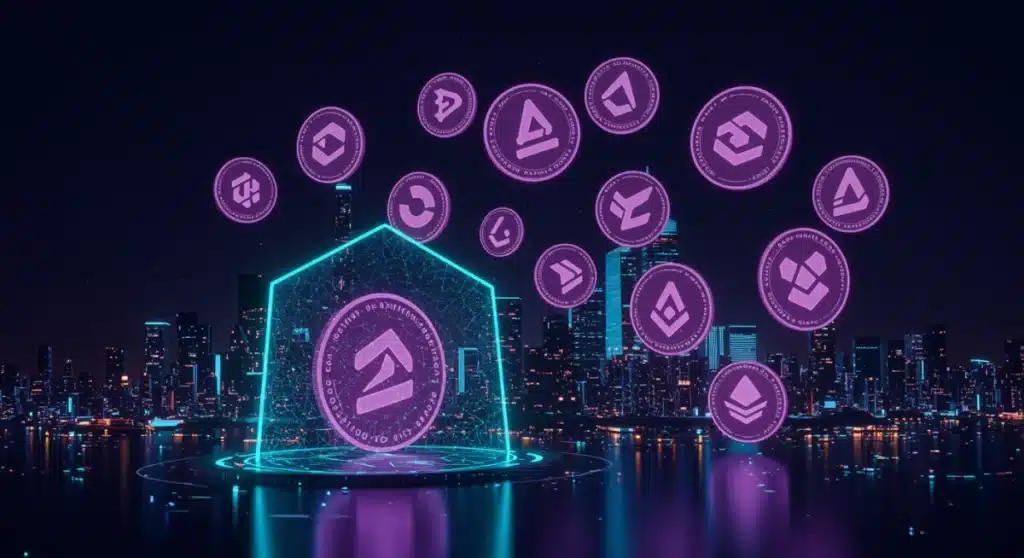
Effective altcoin risk assessment in 2026 is crucial for investors aiming to mitigate exposure to potential 30% volatility swings, requiring a multifaceted approach to market analysis and portfolio protection.
As we navigate the dynamic landscape of digital finance in 2026, understanding and managing the inherent risks associated with altcoins becomes paramount. The potential for sudden, drastic price movements, often reaching 30% volatility swings, demands a robust altcoin risk assessment framework. This guide will equip you with essential strategies to protect your investments and capitalize on opportunities in this evolving market.
Understanding Altcoin Volatility in 2026
Altcoin markets are inherently more volatile than established cryptocurrencies like Bitcoin or traditional assets. In 2026, this volatility is not just a characteristic but a defining feature, driven by rapid technological advancements, evolving regulatory landscapes, and shifting investor sentiment. Recognizing the sources and patterns of these significant price fluctuations is the first step toward effective risk management.
Several factors contribute to the amplified volatility seen in altcoins. These often include lower market capitalization, which makes them more susceptible to large buy or sell orders, as well as their dependence on specific use cases or technological breakthroughs. Furthermore, the rapid pace of innovation means that a project’s perceived value can change dramatically based on development updates or competitor actions.
Key Drivers of 2026 Altcoin Volatility
- Technological Innovation: Breakthroughs or failures in underlying technology can cause swift re-evaluations of an altcoin’s future potential.
- Regulatory Shifts: New legislation or government stances on digital assets can introduce uncertainty, leading to price swings.
- Market Sentiment and Hype: Social media trends and influencer activity continue to play a significant role in driving speculative interest and subsequent corrections.
- Liquidity Constraints: Many altcoins suffer from lower trading volumes, making them vulnerable to large price movements from relatively small trades.
Understanding these drivers allows investors to anticipate potential volatility. It’s not about avoiding volatility entirely, but rather about preparing for it and implementing strategies that can absorb or even benefit from these rapid market changes. The ability to distinguish between temporary market noise and fundamental shifts is crucial for long-term success.
Developing a Robust Risk Assessment Framework
A comprehensive risk assessment framework is indispensable for any altcoin investor in 2026. This framework should go beyond simple price analysis, delving into the underlying fundamentals of each project and the broader market conditions. It involves a systematic approach to identifying, analyzing, and mitigating potential threats to your portfolio.
The core of this framework lies in due diligence. Before allocating capital to any altcoin, a thorough investigation into its whitepaper, development team, tokenomics, and community support is essential. Skipping these steps is akin to investing blindfolded in a market known for its unpredictability. In 2026, with countless altcoins vying for attention, this scrutiny is more important than ever.
Components of Effective Altcoin Due Diligence
- Project Fundamentals: Evaluate the problem the altcoin solves, its unique value proposition, and the viability of its technology.
- Team and Advisors: Research the experience, track record, and transparency of the development team and their advisors.
- Tokenomics: Analyze the token distribution, supply schedule, utility, and incentives for holders. Understand how the token’s economic model supports the project’s long-term sustainability.
- Community and Ecosystem: Assess the strength and activity of the project’s community, partnerships, and overall ecosystem growth.
Beyond individual project analysis, a robust framework also considers macroeconomic factors and their potential impact on the crypto market. Interest rate changes, global economic stability, and even geopolitical events can ripple through the digital asset space, affecting altcoin valuations. Integrating these broader considerations provides a more holistic view of potential risks.
Implementing Diversification Strategies for Altcoins
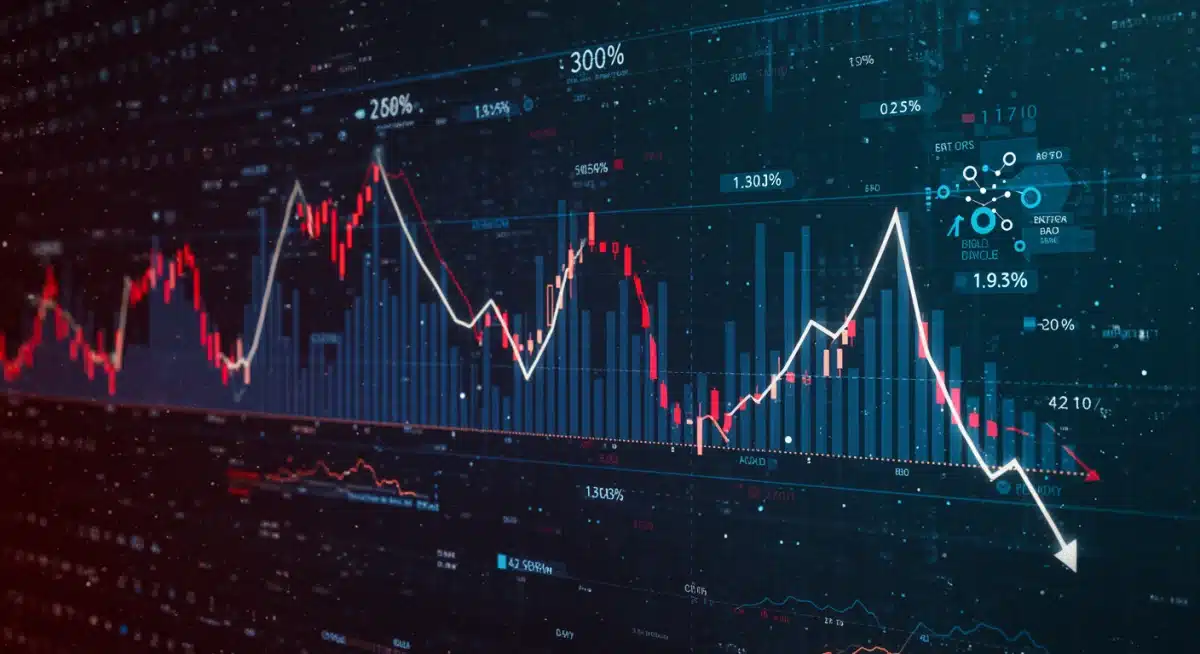
Diversification remains a cornerstone of prudent investment, and in the context of altcoins, it’s an even more critical strategy. Given the potential for individual altcoins to experience dramatic swings, spreading your investment across a variety of assets can significantly mitigate the impact of any single project’s underperformance or failure. A well-diversified altcoin portfolio in 2026 should consider different sectors, technologies, and market capitalizations.
Simply owning multiple altcoins is not true diversification if they are all highly correlated or belong to the same niche. For instance, investing in ten different DeFi lending protocols might not offer sufficient protection if a systemic issue impacts the entire DeFi sector. True diversification requires a thoughtful selection of assets that respond differently to market forces, thereby smoothing out overall portfolio volatility.
Principles of Altcoin Portfolio Diversification
- Sector Diversity: Invest across different crypto sectors, such as DeFi, NFTs, gaming, layer-1 solutions, and privacy coins.
- Market Cap Diversity: Include a mix of large-cap, mid-cap, and small-cap altcoins to balance growth potential with stability.
- Technological Diversity: Explore projects utilizing different blockchain architectures, consensus mechanisms, and programming languages.
- Geographic and Regulatory Diversity: Consider projects developed in various regulatory environments to reduce exposure to region-specific risks.
The goal of diversification is not to eliminate risk entirely, but to manage it. By reducing the concentration of risk in any single asset, investors can better withstand significant price corrections in specific altcoins without devastating their entire portfolio. Regular rebalancing of the portfolio is also essential to maintain desired allocation targets as market conditions evolve.
Leveraging Technical Analysis and Market Indicators
While fundamental analysis provides insight into an altcoin’s long-term potential, technical analysis offers valuable tools for navigating short-term volatility and identifying optimal entry and exit points. In a market as reactive as altcoins, understanding price action, volume trends, and key technical indicators can provide a significant edge. This is particularly relevant when dealing with potential 30% volatility swings.
Technical analysis is not a mystical art but a data-driven approach to understanding market psychology. By studying historical price charts and patterns, investors can identify support and resistance levels, trend lines, and potential reversals. Coupled with market indicators, this information can help in making more informed trading decisions and setting appropriate risk parameters.
Essential Technical Tools for Altcoin Investors
- Moving Averages: Identify trends and potential reversals, often used to confirm the direction of price movement.
- Relative Strength Index (RSI): Gauge whether an altcoin is overbought or oversold, indicating potential corrections or rallies.
- Bollinger Bands: Measure market volatility and identify potential price extremes, helping to anticipate significant price actions.
- Volume Analysis: Confirm the strength of price movements; high volume often validates a trend, while low volume can suggest weakness.
It is crucial to remember that technical analysis is not foolproof and should always be used in conjunction with fundamental analysis. No single indicator can predict the future with certainty, especially in the unpredictable altcoin market. However, by combining multiple tools and developing a disciplined approach, investors can enhance their decision-making process and improve their ability to manage risk.
Setting Realistic Expectations and Stop-Loss Orders
One of the most common pitfalls for altcoin investors is the failure to set realistic expectations and implement disciplined risk management techniques. The allure of quick, substantial gains can often overshadow the very real potential for significant losses. In 2026, with altcoins capable of 30% volatility swings, having a clear understanding of potential outcomes and predefined limits is non-negotiable.
Realistic expectations involve acknowledging that not every investment will be a winner and that losses are an inherent part of trading. Emotional decision-making, often fueled by fear of missing out (FOMO) or panic selling, is a primary driver of poor investment outcomes. A disciplined approach, supported by tools like stop-loss orders, helps to remove emotion from the equation and enforce predefined risk limits.
The Importance of Stop-Loss Orders
- Capital Protection: Automatically sells an asset if its price drops to a predetermined level, limiting potential losses.
- Emotional Detachment: Removes the need for constant monitoring and prevents impulsive decisions during volatile periods.
- Risk Management: Allows investors to define their maximum acceptable loss on a trade, ensuring they don’t lose more than they can afford.
- Strategic Planning: Integrates into an overall trading strategy, enabling clearer entry and exit points based on risk tolerance.
Setting appropriate stop-loss levels requires careful consideration of an altcoin’s typical volatility and your personal risk tolerance. Placing stop-losses too tightly might lead to premature exits during minor corrections, while setting them too wide could result in larger-than-desired losses. Regularly reviewing and adjusting stop-loss orders based on market conditions and your investment thesis is a critical ongoing practice.
Staying Informed and Adapting to Market Changes
The cryptocurrency market, particularly the altcoin sector, is characterized by its rapid evolution. What is relevant today might be obsolete tomorrow. Therefore, continuous learning, staying informed about market developments, and adapting your strategies are vital for successful altcoin risk assessment in 2026. This means going beyond traditional news sources and tapping into the specialized information streams within the crypto ecosystem.
Staying informed involves not just tracking price movements but understanding the underlying technological progress, regulatory updates, and shifts in investor sentiment. Engaging with reputable crypto communities, following respected analysts, and subscribing to industry newsletters can provide a competitive edge. The ability to quickly process new information and adjust your investment thesis accordingly is a powerful defense against unexpected market shifts.
Strategies for Continuous Market Awareness
- Follow Key Developers and Projects: Monitor official project announcements, GitHub activity, and developer forums for insights into progress and potential issues.
- Track Regulatory News: Stay updated on legislative changes and regulatory pronouncements from governments and financial bodies globally.
- Engage with Reputable Crypto Communities: Participate in forums, Discord servers, and Telegram groups where informed discussions take place, but always verify information.
- Utilize On-Chain Analytics: Explore tools that provide insights into network activity, whale movements, and token distribution, which can signal future price action.
Adaptability is key. The altcoin market in 2026 will undoubtedly present new challenges and opportunities. Investors who are rigid in their approach or slow to react to changing conditions are more likely to fall victim to significant volatility. By maintaining a proactive stance towards information gathering and strategy adjustment, you can position yourself to navigate the market’s complexities more effectively.
Managing Psychological Aspects of Altcoin Investing
Beyond technical and fundamental analysis, the psychological aspect of altcoin investing plays a crucial role in managing risk, especially when facing potential 30% volatility swings. Human emotions like fear and greed can lead to irrational decisions, undermining even the most meticulously planned strategies. Cultivating emotional discipline is as important as any analytical tool.
The constant bombardment of news, social media hype, and rapid price movements can be overwhelming, triggering impulsive actions. Investors who can maintain a calm and rational mindset during periods of extreme volatility are better positioned to execute their strategies objectively. This mental fortitude is often what separates successful long-term investors from those who succumb to market pressures.
Cultivating Emotional Discipline in Crypto Investing
- Develop a Clear Investment Plan: A predefined strategy helps reduce impulsivity by providing a roadmap for various market scenarios.
- Practice Detachment: View market fluctuations as data points rather than personal attacks or triumphs.
- Avoid Overtrading: Frequent trading, often driven by a desire to “catch every move,” can lead to increased stress and poor decisions.
- Take Breaks: Step away from charts and news feeds to avoid burnout and gain perspective, especially during highly volatile periods.
Understanding your own biases and emotional triggers is a powerful step towards managing them. Recognizing when you are acting out of fear or greed allows you to pause, re-evaluate, and adhere to your predefined risk management rules. Ultimately, mastering the psychological game is paramount for mitigating exposure to significant volatility and achieving sustainable success in the altcoin market.
| Key Aspect | Mitigation Strategy |
|---|---|
| High Volatility | Implement stop-loss orders and maintain diversified portfolios across sectors. |
| Project Failure | Conduct thorough due diligence on fundamentals, team, and tokenomics. |
| Market Manipulation | Utilize technical analysis to identify anomalies; avoid FOMO-driven investments. |
| Regulatory Uncertainty | Stay informed on global and local regulatory developments and their potential impact. |
Frequently Asked Questions About Altcoin Risk
A significant altcoin volatility swing typically involves price movements of 20% or more within a short period, such as 24-48 hours. Our focus here is on mitigating exposure to potential 30% swings, which can severely impact portfolio value if not managed proactively.
Lower market capitalization altcoins generally carry higher risk and volatility. Smaller projects are more susceptible to price manipulation and tend to react more drastically to news or trading volume changes compared to larger, more established cryptocurrencies.
No, diversification cannot completely eliminate altcoin investment risk. However, it significantly reduces concentrated risk by spreading investments across different assets, sectors, and technologies, thereby mitigating the impact of any single asset’s poor performance on your overall portfolio.
Stop-loss orders are crucial automated tools that limit potential losses by selling an asset once it reaches a predetermined price. They help enforce discipline, protect capital, and prevent emotional decision-making during sudden downward market movements.
Staying updated with regulatory changes is extremely important. New regulations can profoundly impact altcoin legality, trading accessibility, and overall market sentiment, potentially leading to significant price swings. Informed investors can adapt proactively to these shifts.
Conclusion
Navigating the altcoin market in 2026, with its inherent potential for 30% volatility swings, demands a sophisticated and disciplined approach to risk management. By understanding the drivers of volatility, implementing robust risk assessment frameworks, strategically diversifying portfolios, and leveraging technical analysis, investors can significantly mitigate their exposure to adverse market movements. Furthermore, cultivating emotional discipline and committing to continuous learning are paramount for long-term success. While the allure of high returns is strong, a measured and informed strategy is the true key to thriving in the dynamic world of altcoins.