DeFi Rug Pulls 2026: Protect Your Crypto Investments with This 7-Point Checklist
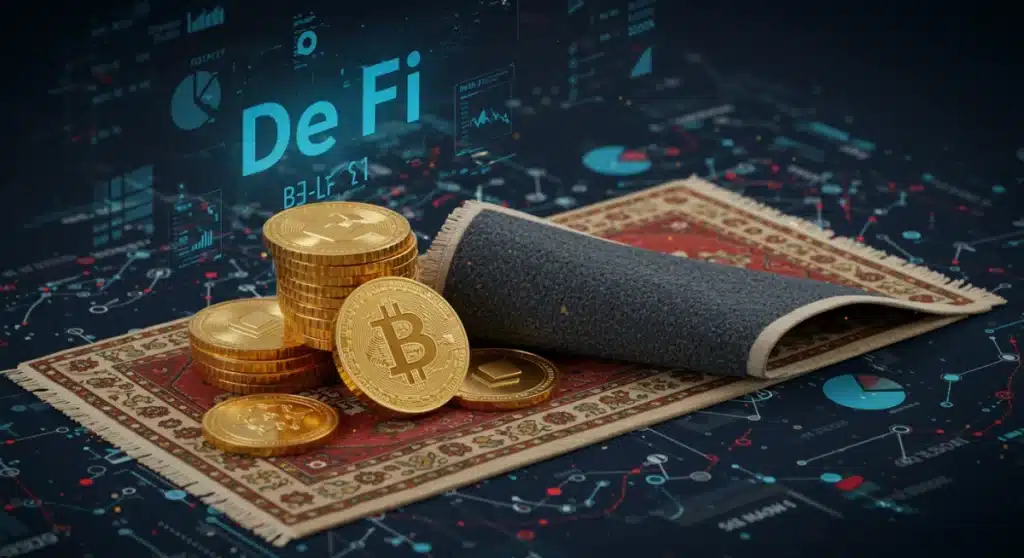
Understanding and Mitigating DeFi Rug Pulls in 2026: A 7-Point Checklist to Safeguard Your Investments by 95%
The decentralized finance (DeFi) landscape is a realm of unparalleled innovation, offering groundbreaking opportunities for financial growth and autonomy. However, with great opportunity comes significant risk, and one of the most insidious threats in this space is the DeFi rug pull. As we navigate 2026, the sophistication of these scams continues to evolve, making it more crucial than ever for investors to be equipped with robust knowledge and protective strategies.
A DeFi rug pull occurs when developers suddenly abandon a project, taking all the investors’ funds with them. This malicious act can leave participants with worthless tokens and substantial financial losses. The allure of high annual percentage yields (APYs) and novel financial instruments often overshadows the underlying risks, leading many unsuspecting investors to fall victim. Our aim with this comprehensive guide is to empower you with the knowledge and a practical 7-point checklist to significantly reduce your exposure to such scams, potentially safeguarding up to 95% of your investments.
The rapid growth of DeFi has attracted both genuine innovators and bad actors. While the promise of a decentralized financial future is exciting, vigilance is paramount. Understanding the mechanics of a DeFi rug pull, recognizing its red flags, and implementing a diligent due diligence process are your best defenses. This article will delve deep into the anatomy of these scams, provide real-world examples, and, most importantly, equip you with an actionable checklist to navigate the DeFi space more securely in 2026.
What Exactly is a DeFi Rug Pull?
At its core, a DeFi rug pull is a type of exit scam where the creators of a cryptocurrency project drain liquidity from a decentralized exchange (DEX) or manipulate the token’s value, leaving investors with illiquid or worthless assets. The term ‘rug pull’ vividly illustrates the act of literally pulling the rug out from under investors, causing their investments to crash.
The Mechanics of a Rug Pull
DeFi rug pulls typically manifest in a few common ways:
- Liquidity Removal: This is the most common form. Project developers create a new token and pair it with a legitimate cryptocurrency (like Ethereum or stablecoins) on a DEX, forming a liquidity pool. They then entice investors to provide liquidity or buy their token. Once a significant amount of funds is deposited, the developers withdraw all the paired cryptocurrency, leaving investors holding a token that cannot be traded and is essentially worthless.
- Limiting Sell Orders: Some malicious developers code their smart contracts to prevent users from selling the newly issued token, while they themselves retain the ability to sell. This creates a scenario where the price can be artificially inflated by buying pressure, only for the developers to dump their tokens, crashing the price.
- Hidden Backdoors in Smart Contracts: More sophisticated rug pulls involve embedding malicious code within the smart contract. This code might allow developers to mint an unlimited supply of tokens, freeze user funds, or transfer tokens without permission, all of which ultimately lead to the project’s collapse and investor losses.
The decentralized nature of DeFi, while offering many benefits, also presents challenges in terms of regulation and oversight. This lack of centralized authority can make it easier for scammers to operate and disappear without consequence, highlighting the need for individual investor vigilance.
The Evolving Landscape of DeFi Rug Pulls in 2026
As the DeFi space matures, so too do the tactics employed by scammers. In 2026, we’re seeing more complex and harder-to-detect DeFi rug pulls. They often involve:
- Sophisticated Marketing: Scammers invest heavily in professional-looking websites, engaging social media campaigns, and even fake audits to build credibility.
- Impersonation and Forgery: They might impersonate reputable projects or individuals, forge documents, and create fake partnerships to lure investors.
- Cross-Chain Exploits: With the rise of multi-chain ecosystems, rug pulls can now occur across different blockchains, making tracing funds more difficult.
- Flash Loan Attacks and Oracle Manipulation: While not strictly a rug pull (which usually involves developers abandoning a project), these sophisticated exploits can similarly drain project liquidity and leave investors with losses, often leveraging vulnerabilities in smart contracts or external data feeds.
The increasing complexity underscores why a proactive and informed approach is essential for anyone participating in DeFi. Relying solely on a project’s superficial appearance is no longer sufficient; deep-dive due diligence is the only way to protect your investments from a DeFi rug pull.
The 7-Point Checklist to Mitigate DeFi Rug Pulls by 95%
To help you navigate the treacherous waters of DeFi, we’ve compiled a comprehensive 7-point checklist. Adhering to these principles will significantly enhance your ability to identify and avoid potential DeFi rug pulls, potentially safeguarding a vast majority of your investments.
1. Vet the Team Behind the Project
One of the most critical steps in identifying a legitimate DeFi project is to thoroughly research the team. Anonymous teams are a significant red flag, though not all anonymous teams are malicious. However, a fully doxxed team (where identities are publicly known and verifiable) adds a layer of accountability.
- Look for Doxxed Teams: Can you find information about the founders and developers? Do they have a professional presence on platforms like LinkedIn? Are their past projects verifiable and successful?
- Check for Relevant Experience: Do the team members have a background in blockchain development, finance, or a related field? A team with a strong track record is less likely to risk their reputation with a rug pull.
- Community Engagement: How active and transparent is the team in communicating with their community? Are they responsive to questions and concerns? A lack of engagement or overly vague answers can be suspicious.
A project with a transparent, experienced, and actively engaged team builds trust and reduces the likelihood of a DeFi rug pull.
2. Analyze the Smart Contract Code and Audits
The smart contract is the backbone of any DeFi project. Its code dictates all operations, and vulnerabilities or malicious functions can be exploited. This is where an audit comes into play.
- Seek Professional Audits: Has the project undergone an audit by a reputable third-party security firm (e.g., CertiK, PeckShield, Hacken)? A professional audit can identify vulnerabilities and potential backdoors. Always verify the audit report directly from the auditing firm’s website, not just a link provided by the project.
- Understand the Audit Scope: What aspects of the code were audited? Were all critical components covered?
- Check for Open-Source Code: Is the smart contract code publicly available on platforms like GitHub? Open-sourcing allows for community scrutiny and peer review, which can help identify issues.
- Look for Red Flags in Code: Even without deep coding knowledge, be wary of contracts that allow developers to mint unlimited tokens, pause transfers, or modify critical parameters without a governance mechanism.
A project that avoids code audits or provides vague audit reports should be approached with extreme caution, as it could be a precursor to a DeFi rug pull.
3. Evaluate Liquidity and Lock-up Mechanisms
Liquidity is the lifeblood of a DeFi project, and how it’s managed is a critical indicator of trustworthiness.
- Liquidity Locked: Is the project’s liquidity locked for a significant period? This prevents developers from withdrawing funds. Look for proof of locked liquidity on reputable platforms like UniCrypt, DxSale, or Team.Finance.
- Check for Vesting Schedules: For team tokens or initial allocations, are there vesting schedules in place? This prevents immediate dumping of large amounts of tokens by insiders, which can crash the price.
- Understand Liquidity Pool Ownership: Who controls the liquidity pool tokens (LPs)? If the developers own a disproportionately large share and it’s not locked, it’s a major red flag for a potential DeFi rug pull.
Projects that fail to lock liquidity or have opaque liquidity management practices are high-risk for a DeFi rug pull.
4. Scrutinize Tokenomics and Distribution
The tokenomics (token economics) of a project reveal how tokens are created, distributed, and managed. Unfair distribution can signal a potential rug pull.
- Fair Launch vs. Pre-mine: Did the project have a fair launch (where everyone had an equal opportunity to buy tokens) or a significant pre-mine/private sale? Large allocations to developers or private investors can lead to dumping.
- Token Distribution Analysis: Use blockchain explorers to check the distribution of tokens. If a small number of wallets hold a vast majority of the supply, it indicates centralization and potential manipulation.
- Inflationary vs. Deflationary: Understand the token’s supply mechanism. Is it inflationary (continually increasing supply) or deflationary (supply decreases over time)? Both can be legitimate, but unsustainable inflationary models can lead to price crashes.
- Transaction Taxes/Fees: Are there unusually high transaction taxes or fees? While some fees are normal, exorbitant fees can be a way for developers to extract value.
Unbalanced tokenomics or highly concentrated token ownership increase the risk of a DeFi rug pull, as a few individuals could control the market.
5. Assess Community and Communication
A strong, engaged, and authentic community is a powerful indicator of a legitimate project. Scammers often struggle to build genuine communities.
- Active Social Media: Are the project’s social media channels (Telegram, Discord, Twitter) active? Is there genuine discussion, or does it seem like bots and paid shillers dominate?
- Realistic Promises: Does the project promise impossibly high returns (e.g., 1000% APY daily) with little explanation? If it sounds too good to be true, it probably is.
- Transparency and Responsiveness: How transparent is the team in their communications? Do they address criticisms and concerns openly, or do they ban dissenters?
- Roadmap and Development: Does the project have a clear roadmap with achievable milestones? Are they actively developing and delivering on their promises? A stagnant project with no progress is a warning sign of a potential DeFi rug pull.
A project with a vibrant, organic community and transparent communication is far less likely to be a DeFi rug pull.
6. Understand the Project’s Purpose and Utility
Legitimate DeFi projects solve real-world problems or offer innovative financial services. Projects without a clear utility or purpose are often speculative pump-and-dump schemes.
- Clear Use Case: What problem does the project aim to solve? Does it have a unique value proposition?
- Sustainable Business Model: How does the project generate revenue or maintain its value in the long term? Is its economic model sustainable, or does it rely solely on new investors?
- Competitive Analysis: How does the project compare to existing solutions in the market? Does it offer a significant advantage, or is it merely a copycat?
- Partnerships: Are there any verifiable partnerships with reputable entities? Be wary of vague or unconfirmed partnership claims, which can be a tactic used by projects planning a DeFi rug pull.
Projects lacking a clear purpose or sustainable model are often designed to attract quick capital before an inevitable DeFi rug pull.
7. Start Small and Diversify
Even with the most rigorous due diligence, the DeFi space carries inherent risks. Never invest more than you can afford to lose.
- Allocate Small Amounts: When exploring new projects, start with a minimal investment. This allows you to observe the project’s behavior and the team’s responsiveness before committing more capital.
- Diversify Your Portfolio: Spread your investments across multiple projects and asset classes. This mitigates the impact if one project turns out to be a DeFi rug pull.
- Stay Updated: The DeFi landscape changes rapidly. Continuously educate yourself, follow reputable crypto news sources, and stay aware of emerging threats and best practices.
- Trust Your Gut: If something feels off, or if the promises are too extraordinary, it’s often best to walk away. The fear of missing out (FOMO) is a powerful psychological tool used by scammers.
By starting small and diversifying, you create a buffer against the potential devastation of a DeFi rug pull, protecting your overall financial health.
Advanced Tips for Avoiding DeFi Rug Pulls in 2026
Beyond the core checklist, consider these advanced strategies to further fortify your defenses against DeFi rug pulls:
Utilize Decentralized Autonomous Organizations (DAOs) and Multi-sig Wallets
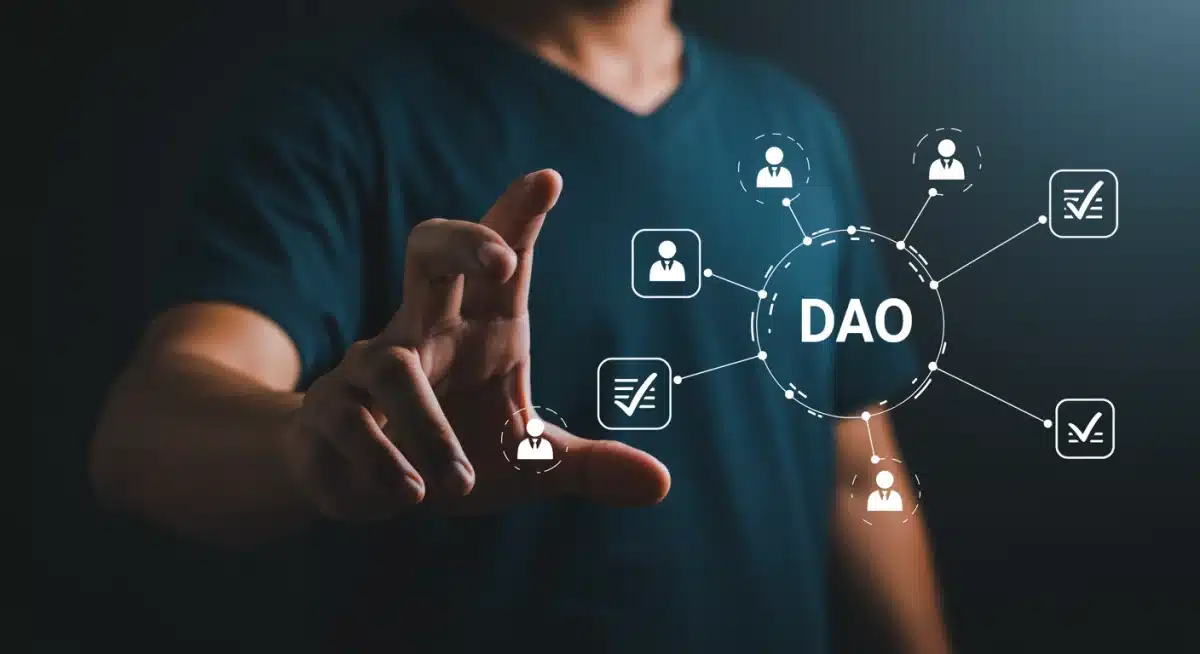
Projects governed by DAOs or that use multi-signature (multi-sig) wallets for treasury management offer enhanced security. In a DAO, major decisions, including fund movements, require community consensus. Multi-sig wallets require multiple private keys to authorize a transaction, preventing a single malicious actor from draining funds. This decentralization of power significantly reduces the risk of a centralized DeFi rug pull.
Monitor On-Chain Activity
Becoming proficient with blockchain explorers (like Etherscan, BscScan, or PolygonScan) can provide invaluable insights. You can track large token movements, identify whale wallets, and even detect suspicious liquidity withdrawals. Unusual activity, such as large token transfers to unknown wallets or significant liquidity removals without explanation, can be an early warning sign of an impending DeFi rug pull.
Beware of Cloned Projects and Pump-and-Dump Schemes
Scammers often clone successful projects with minor tweaks, hoping to capitalize on their reputation. Always verify the official contract address and website. Similarly, be wary of projects that experience rapid, unsustainable price pumps followed by an equally rapid crash. These are often orchestrated pump-and-dump schemes, a form of DeFi rug pull where early investors or developers profit at the expense of latecomers.
Educate Yourself Continuously
The DeFi space is dynamic. New technologies, attack vectors, and scamming techniques emerge constantly. Dedicate time to continuous learning, follow reputable blockchain security researchers, and engage with knowledgeable communities. The more informed you are, the better equipped you’ll be to spot the subtle signs of a DeFi rug pull.
Real-World Examples of DeFi Rug Pulls (and Lessons Learned)
Reflecting on past incidents can provide crucial lessons. While specific project names might change, the underlying patterns of a DeFi rug pull often remain consistent.
- SushiSwap (2020 – partial rug pull): While SushiSwap eventually recovered and became a prominent DEX, its anonymous founder, ‘Chef Nomi,’ initially swapped a significant portion of the developer fund (worth millions of dollars in ETH) for SUSHI tokens, causing a price crash and accusations of a rug pull. Though Nomi eventually returned the funds, it highlighted the risks of anonymous developers and centralized control over funds. The lesson: Even seemingly legitimate projects can have early stage vulnerabilities related to trust and centralization.
- Squid Game Token (SQUID – 2021): Capitalizing on the popularity of the Netflix show, SQUID token promised an exclusive play-to-earn game. However, investors quickly discovered they couldn’t sell their tokens. The developers then drained the liquidity pool, making off with millions. The lesson: Unrealistic promises, inability to sell tokens, and anonymous teams are massive red flags for a DeFi rug pull.
- Luna Yield (2021): A Solana-based yield farming project that vanished with over $6.7 million in investor funds shortly after launching. Their website, social media, and all communication disappeared overnight. The lesson: Lack of transparency, unverified audits, and sudden disappearance are classic signs of a DeFi rug pull.
These examples underscore the importance of applying our 7-point checklist rigorously. Each incident had clear red flags that, if identified, could have saved investors from significant losses due to a DeFi rug pull.
The Psychological Aspect: Overcoming FOMO
Fear of Missing Out (FOMO) is perhaps the most dangerous psychological trap that leads investors into DeFi rug pulls. The promise of quick, astronomical gains can override rational judgment and lead individuals to overlook obvious red flags. Scammers are adept at creating hype and urgency, pushing narratives of ‘early bird advantage’ or ‘limited-time opportunities’ to exploit this fear.
To combat FOMO:
- Practice Patience: There will always be new opportunities in DeFi. Missing out on one project is better than losing everything to a scam.
- Stick to Your Due Diligence: Do not let hype dictate your investment decisions. If a project hasn’t passed your 7-point checklist, do not invest, regardless of the buzz.
- Seek Diverse Opinions: Discuss projects with trusted, knowledgeable individuals, but always perform your own research.
- Remind Yourself of the Risks: Acknowledge that high returns often come with commensurately high risks. If it seems too good to be true, it almost certainly is a DeFi rug pull in disguise.
Developing emotional discipline is as crucial as technical analysis in protecting your investments from a DeFi rug pull.
Conclusion: Vigilance is Your Best Defense Against DeFi Rug Pulls
The DeFi space offers revolutionary financial opportunities, but it also demands a high degree of personal responsibility and vigilance. DeFi rug pulls remain a persistent threat, evolving in complexity and scale. By diligently applying our 7-point checklist – vetting the team, analyzing smart contracts and audits, evaluating liquidity and lock-up mechanisms, scrutinizing tokenomics, assessing community and communication, understanding project utility, and practicing smart risk management – you can significantly enhance your ability to identify and avoid these malicious schemes.
In 2026 and beyond, success in DeFi will not only depend on identifying promising projects but, more importantly, on expertly navigating its inherent risks. Arm yourself with knowledge, exercise caution, and always prioritize the security of your investments. By doing so, you can participate in the exciting world of decentralized finance with greater confidence and significantly reduce your exposure to the devastating impact of a DeFi rug pull.
Stay informed, stay secure, and happy investing in the ever-evolving world of DeFi.