Fed Rate Hikes & Bitcoin: 2026 Impact Analysis
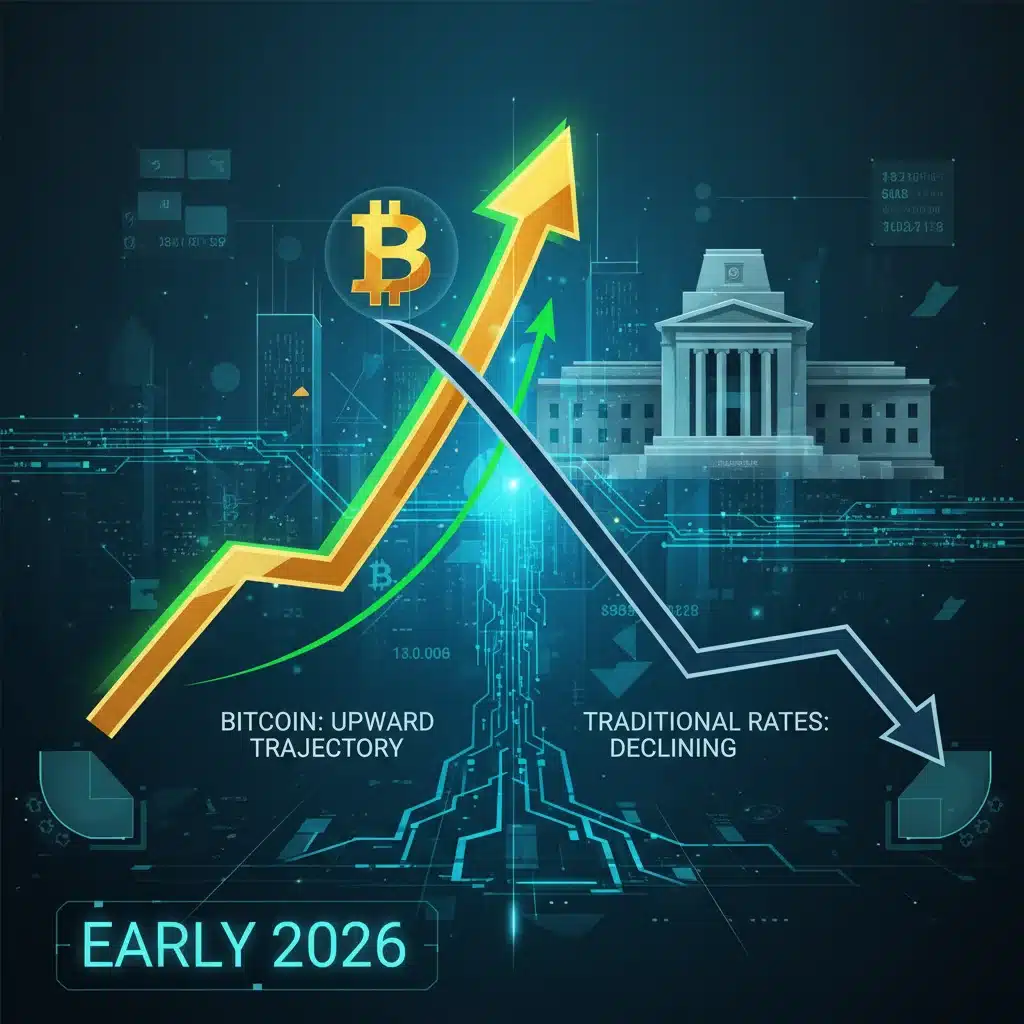
The Impact of U.S. Federal Reserve Rate Hikes on Bitcoin’s Performance in Early 2026: A 6-Month Analysis
As we navigate the intricate landscape of global finance, understanding the interplay between traditional monetary policy and emerging digital assets becomes paramount. The U.S. Federal Reserve, often referred to as ‘the Fed,’ wields immense power over financial markets through its decisions on interest rates. These decisions, primarily aimed at controlling inflation and fostering economic stability, send ripples across asset classes, from stocks and bonds to commodities and, increasingly, cryptocurrencies. This comprehensive analysis will delve into the anticipated impact of U.S. Federal Reserve rate hikes on Bitcoin’s performance during the first half of 2026, offering a strategic outlook for investors and enthusiasts alike. Our focus will be on the critical period from January to June 2026, exploring various scenarios and their potential implications for the world’s leading cryptocurrency.
The relationship between traditional financial markets and Bitcoin has evolved significantly over the past decade. Once considered an uncorrelated, niche asset, Bitcoin’s increasing institutional adoption and market capitalization have made it more susceptible to broader macroeconomic forces. Therefore, any move by the Fed regarding interest rates is likely to have a discernible effect on Bitcoin’s valuation and market dynamics. This article aims to dissect this complex relationship, providing a forward-looking perspective on what investors can expect.
Understanding Federal Reserve Rate Hikes
Before we can fully grasp the potential impact on Bitcoin, it’s crucial to understand why the Federal Reserve raises interest rates and what mechanisms are at play. The Fed’s primary tools for monetary policy include the federal funds rate, which influences other interest rates throughout the economy. When the Fed decides to raise rates, it typically does so to combat inflation, cool down an overheating economy, or prevent asset bubbles. Higher interest rates make borrowing more expensive for consumers and businesses, which can slow economic growth, reduce demand, and theoretically bring down prices.
Historically, aggressive rate hike cycles have often led to periods of market uncertainty, corrections in equity markets, and a flight to safety among investors. However, the unique characteristics of Bitcoin and the nascent stage of the cryptocurrency market introduce additional layers of complexity. Unlike traditional assets, Bitcoin operates independently of central banks, possessing a fixed supply and a decentralized nature. Yet, its price discovery often occurs within a financial ecosystem heavily influenced by conventional monetary policies.
The anticipation of future rate hikes can be as impactful as the hikes themselves. Market participants often “price in” expected policy changes, leading to shifts in asset valuations even before official announcements. For early 2026, market expectations regarding the Fed’s stance will be a crucial determinant of Bitcoin’s trajectory. Will the Fed continue a hawkish approach, or will economic conditions necessitate a more dovish pivot? These questions will shape investor sentiment and capital flows.
The Theoretical Link: How Fed Rate Hikes Influence Bitcoin
The theoretical connection between Fed rate hikes and Bitcoin’s performance is multi-faceted. One of the primary channels is through investor risk appetite. When interest rates rise, less risky assets like U.S. Treasury bonds become more attractive, offering higher yields. This can lead to a reallocation of capital away from speculative, higher-risk assets like Bitcoin. Investors might opt for the certainty of fixed-income returns over the volatility of cryptocurrencies, especially in an environment where borrowing costs are increasing and economic growth might be slowing.
Another significant factor is the cost of capital. Many institutional investors and even retail traders use leverage to invest in Bitcoin. Higher interest rates increase the cost of borrowing, making leveraged positions more expensive to maintain and potentially leading to deleveraging events. This can exacerbate downward price movements in a volatile asset like Bitcoin.
Furthermore, the broader macroeconomic environment shaped by Fed policy plays a role. A stronger U.S. dollar, often a consequence of higher interest rates, can put downward pressure on assets priced in dollars, including Bitcoin. As the dollar strengthens, it takes fewer dollars to buy the same amount of Bitcoin, all else being equal, which can translate to a lower dollar price for Bitcoin for international investors.
However, it’s important to acknowledge that Bitcoin also possesses unique properties that can sometimes decouple its performance from traditional markets. Its narrative as a hedge against inflation, a store of value, or a “digital gold” can gain traction during periods of economic uncertainty or currency debasement, potentially counteracting some of the negative effects of rising rates. The early 2026 period will be a crucial test of which narrative prevails.
Analyzing Bitcoin’s Performance Amidst Rate Hikes: Historical Context
To forecast Bitcoin’s performance in early 2026, it’s valuable to examine historical precedents, albeit with the understanding that the past does not perfectly predict the future. The crypto market is still relatively young, and each economic cycle presents unique circumstances. However, we can observe general trends from previous Fed tightening cycles.
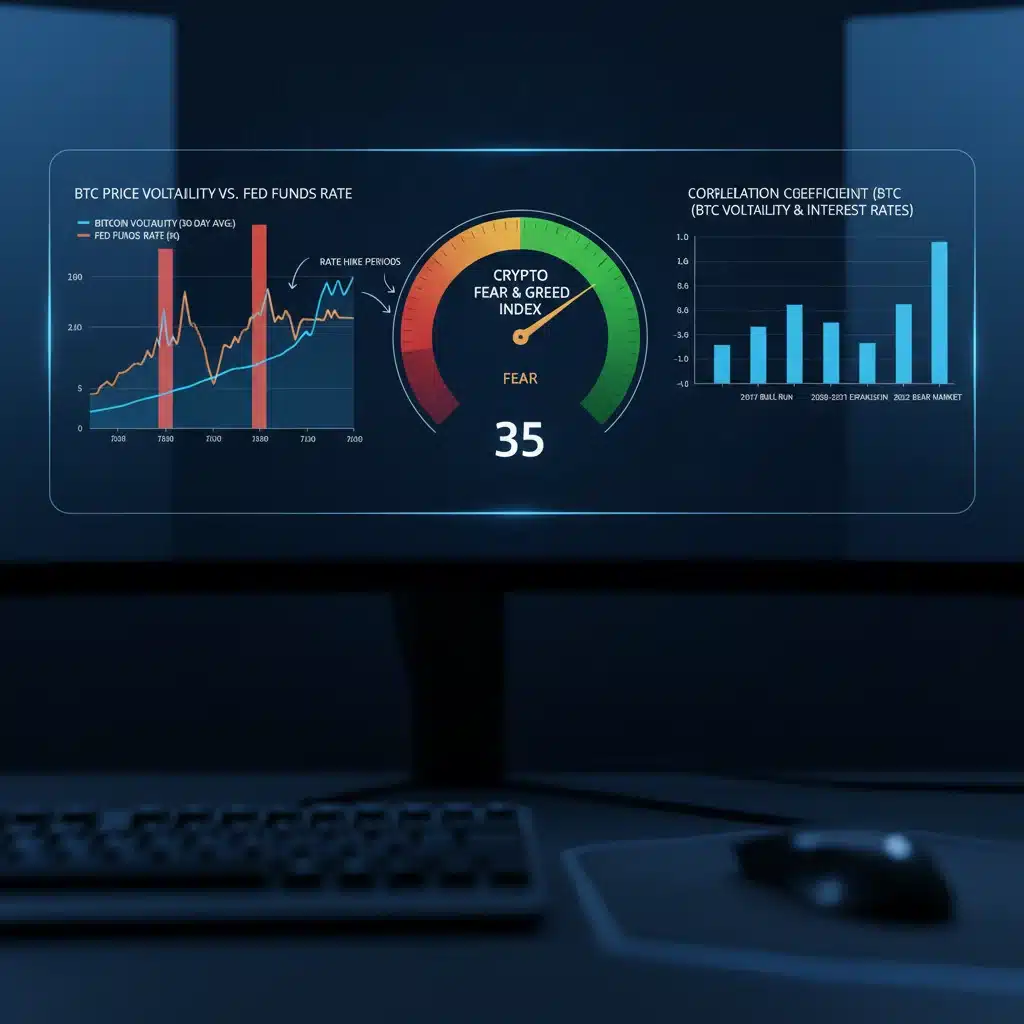
During periods of aggressive monetary tightening, Bitcoin has often experienced increased volatility and, at times, significant price corrections. For example, in 2022, as the Fed aggressively raised rates to combat surging inflation, Bitcoin saw substantial declines, along with broader equity markets. This suggested a correlation with risk assets, where Bitcoin was treated similarly to growth stocks that are sensitive to rising discount rates.
However, Bitcoin’s resilience and capacity for rapid recovery have also been notable. Following periods of decline, often driven by macro factors, Bitcoin has historically demonstrated strong rebounds once market sentiment shifts or when the Fed signals a potential pause or pivot in its policy. The key for early 2026 will be the market’s perception of the Fed’s future path: Is it nearing the end of a tightening cycle, or are more rate hikes anticipated?
Another historical observation is that while initial rate hikes can be detrimental, the market tends to adapt. Once a series of hikes is priced in, and there’s more clarity on the Fed’s trajectory, the market can find a new equilibrium. The challenge for investors in early 2026 will be navigating this period of potential adjustment and uncertainty, identifying whether the market has already factored in the expected rate increases.
Scenario Planning for Early 2026
Given the complexities, let’s explore a few plausible scenarios for Bitcoin’s performance in early 2026, contingent on the Fed’s actions and the broader economic climate:
Scenario 1: Continued Hawkish Stance (More Rate Hikes)
If inflation remains stubbornly high or economic growth proves more robust than anticipated, the Fed might be compelled to continue its hawkish stance, implementing further rate hikes in early 2026. In this scenario, Bitcoin could face renewed downward pressure. Increased borrowing costs and a stronger dollar would likely dampen investor appetite for risk assets. We might see a continuation of the trend where Bitcoin trades in tandem with tech stocks, experiencing corrections as capital flows out of speculative investments. Investors would likely prioritize capital preservation and seek out less volatile alternatives, potentially leading to a period of consolidation or further decline for Bitcoin. The market could remain in a ‘risk-off’ mode, prolonging the bear market sentiment for cryptocurrencies.
Under this scenario, Bitcoin’s price might struggle to break significant resistance levels and could test new support zones. The correlation with traditional markets would likely remain high, as macro factors dominate investor decisions. Miners could also face increased pressure due to lower Bitcoin prices and higher energy costs, potentially leading to capitulation events. This would be a challenging environment for Bitcoin bulls, requiring a long-term perspective and strong conviction.
Scenario 2: Fed Pause or Pivot (Stabilization/Dovish Shift)
Conversely, if inflation shows clear signs of receding, or if the economy enters a significant downturn, the Fed might opt to pause its rate hike cycle or even signal a potential pivot towards easing monetary policy. This scenario would likely be highly favorable for Bitcoin. A pause in rate hikes would reduce the pressure on risk assets, making them more attractive. A dovish pivot, implying future rate cuts, could ignite a significant rally, as investors seek higher returns in a lower-yield environment.
In this ‘risk-on’ environment, Bitcoin could potentially decouple from traditional markets to some extent, regaining its narrative as a growth asset. The cost of capital would decrease, encouraging more leveraged positions and institutional investment. We could see a resurgence of retail interest and a renewed influx of capital into the crypto space. Bitcoin might break out of its consolidation phase and embark on a new upward trend, potentially reclaiming previous all-time highs or setting new ones.
This scenario would also benefit the broader altcoin market, as Bitcoin’s positive momentum often spills over into other cryptocurrencies. The narrative of Bitcoin as a hedge against monetary expansion would also gain strength, attracting investors looking for alternatives to traditional fiat currencies.
Scenario 3: Mixed Signals and Volatility
A third, and perhaps most realistic, scenario involves mixed signals from the Fed and continued market volatility. The Fed might adopt a ‘wait and see’ approach, making data-dependent decisions that lead to periods of uncertainty. In this environment, Bitcoin’s price movements would likely be choppy, characterized by sharp rallies and sudden corrections. Investors would react strongly to every economic data release and every speech from Fed officials, leading to heightened intraday and intra-week volatility.
This scenario would test the patience of investors, emphasizing the importance of robust risk management strategies. Bitcoin might trade within a defined range, struggling to establish a clear trend. Technical analysis would become even more critical, as traders look for patterns and support/resistance levels to navigate the uncertainty. The market would be highly sensitive to external shocks, such as geopolitical events or regulatory developments, which could further amplify price swings.
Long-term investors might view dips as accumulation opportunities, while short-term traders would need to be agile and responsive to rapid market shifts. This period of high volatility could also lead to increased liquidation events for over-leveraged participants, adding to market instability.
Other Factors Influencing Bitcoin in Early 2026
While Fed rate hikes are a significant factor, several other elements will undoubtedly influence Bitcoin’s performance in early 2026:
Regulatory Landscape
The evolving regulatory environment globally, particularly in major economies like the U.S. and Europe, will play a crucial role. Clear and favorable regulations could attract more institutional capital, boosting Bitcoin’s legitimacy and price. Conversely, restrictive or uncertain regulations could deter investment and create headwinds.
Technological Advancements
Ongoing developments within the Bitcoin ecosystem, such as improvements in scalability (e.g., Lightning Network adoption) or security enhancements, could bolster its utility and appeal. The broader crypto innovation landscape, including advancements in DeFi and NFTs, could also indirectly impact Bitcoin by driving overall interest in the digital asset space.
Institutional Adoption
The continued influx of institutional investors, including pension funds, hedge funds, and corporate treasuries, will be a major catalyst. Increased institutional participation can provide greater liquidity, reduce volatility, and build a more stable foundation for Bitcoin’s price. The approval and success of spot Bitcoin ETFs, if they materialize, could significantly expand access for mainstream investors.
Global Macroeconomic Conditions
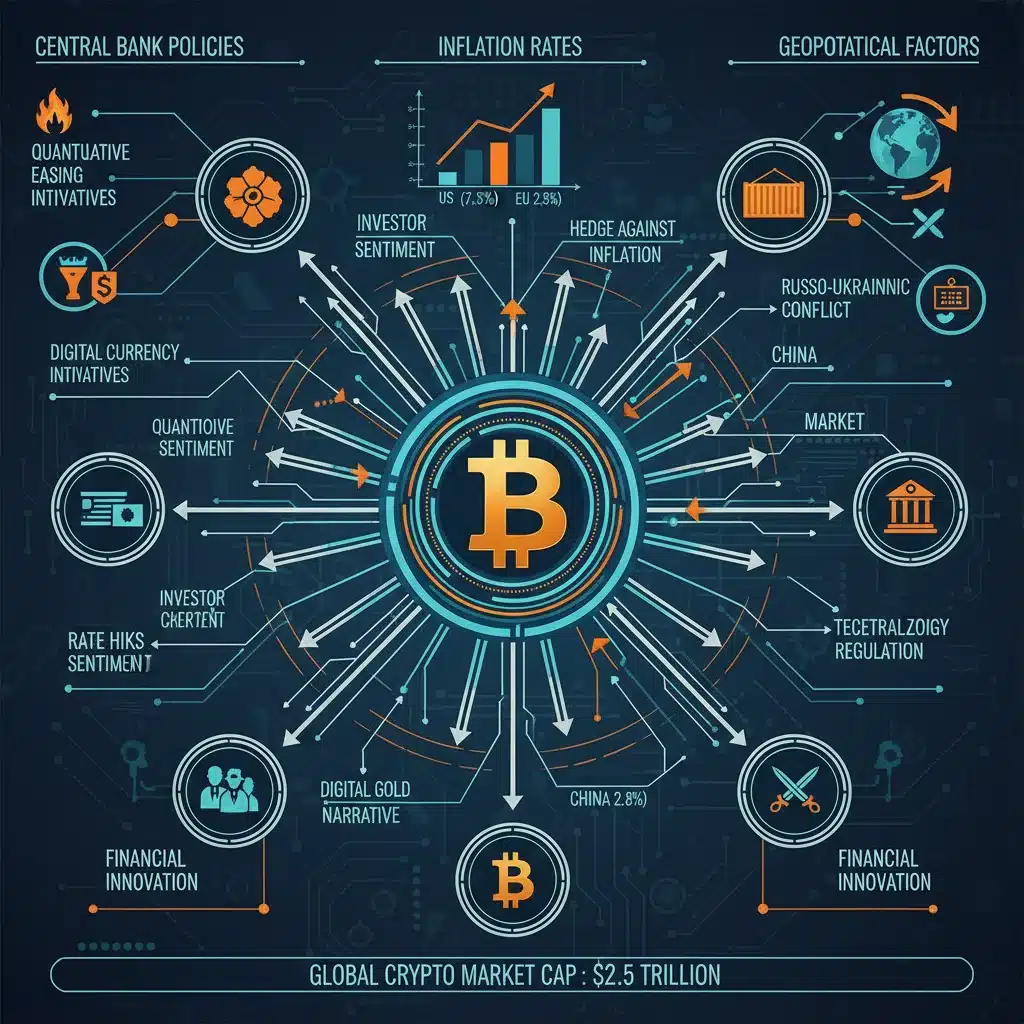
Beyond the U.S. Fed, global economic conditions, including inflation rates in other major economies, geopolitical stability, and the performance of other asset classes, will collectively shape investor sentiment towards Bitcoin. A global recession, for instance, could lead to a broader risk-off environment, impacting Bitcoin. Conversely, a period of global economic recovery and increased liquidity could be beneficial.
Investment Strategies for Early 2026
Given the potential impact of Fed rate hikes, investors should consider adopting strategies that account for increased volatility and uncertainty. Here are a few approaches:
Dollar-Cost Averaging (DCA)
For long-term investors, dollar-cost averaging remains a prudent strategy. By investing a fixed amount regularly, regardless of price fluctuations, DCA helps mitigate the risk of timing the market. This approach can be particularly effective during volatile periods, allowing investors to accumulate Bitcoin at potentially lower average prices.
Risk Management and Portfolio Diversification
Diversifying portfolios beyond just Bitcoin and into other asset classes can help cushion potential downturns. Furthermore, employing robust risk management techniques, such as setting stop-loss orders and not over-leveraging, will be crucial. Understanding one’s personal risk tolerance is paramount.
Staying Informed and Adaptive
The crypto market and global macroeconomic environment are constantly evolving. Staying informed about Fed announcements, economic data, and regulatory developments will enable investors to adapt their strategies as new information emerges. Flexibility and a willingness to adjust one’s outlook will be key to navigating the early 2026 landscape.
Focusing on Fundamentals
Despite short-term price fluctuations driven by macro factors, Bitcoin’s underlying fundamentals – its decentralized nature, fixed supply, and growing network effect – remain strong. Long-term investors might choose to focus on these fundamentals, viewing temporary price dips as opportunities to acquire more of an asset they believe will appreciate over time.
Conclusion: Navigating the Intersection of Traditional Finance and Digital Assets
The first half of 2026 promises to be a pivotal period for Bitcoin, heavily influenced by the U.S. Federal Reserve’s monetary policy decisions. The ongoing dance between inflation control and economic growth will dictate the Fed’s stance on interest rates, which in turn will send clear signals to the cryptocurrency market. While a continued hawkish approach could exert downward pressure, a pause or pivot by the Fed could ignite a significant rally for Bitcoin. The most likely scenario, however, involves a period of mixed signals and heightened volatility, demanding a sophisticated approach from investors.
Ultimately, Bitcoin’s resilience will be tested. Its ability to act as a store of value and a hedge against inflation will be pitted against its correlation with risk assets in a rising rate environment. As the market matures, the influence of traditional financial policies on Bitcoin is becoming undeniable, making a thorough understanding of the Fed’s actions essential for anyone involved in the crypto space.
Investors should prepare for a dynamic and potentially challenging environment, prioritizing risk management, diversification, and continuous learning. By carefully monitoring economic indicators and the Fed’s communications, market participants can better position themselves to navigate the impact of Fed rate hikes on Bitcoin’s performance in early 2026. The journey of digital assets is inextricably linked to the broader financial world, and understanding these connections is the key to informed decision-making.