SEC Crypto Staking Guidelines 2026: Your 3-Month Action Plan
The world of cryptocurrency is dynamic, innovative, and constantly evolving. For U.S. investors, the horizon for crypto staking is set to undergo a significant transformation with the impending SEC Crypto Staking guidelines in 2026. This isn’t just another regulatory update; it represents a pivotal moment that could reshape how individuals and institutions engage with decentralized finance. As the deadline approaches, proactive preparation is not merely advisable but essential. This comprehensive guide offers a detailed 3-month action plan, designed specifically for U.S. investors, to navigate these forthcoming regulations, mitigate potential risks, and optimize their staking strategies for sustained success.
Staking, a fundamental mechanism in proof-of-stake (PoS) blockchains, allows participants to earn rewards by locking up their cryptocurrency to support the network’s operations. It’s a cornerstone of many modern blockchain ecosystems, offering a way for investors to generate passive income while contributing to network security and decentralization. However, the regulatory landscape, particularly in the United States, has been a patchwork of evolving interpretations, leading to uncertainty. The Securities and Exchange Commission (SEC) has long expressed concerns regarding certain aspects of crypto offerings, including staking services, often viewing them through the lens of existing securities laws. The 2026 guidelines are anticipated to bring much-needed clarity, but also potentially stricter compliance requirements.
Understanding the nuances of these regulations before they fully materialize is paramount. This article will delve into what these guidelines might entail, drawing insights from past SEC actions and statements. More importantly, it will provide a structured, actionable roadmap for the three months leading up to 2026, empowering investors to make informed decisions and adapt their portfolios. From legal consultation and portfolio diversification to understanding tax implications and platform due diligence, every aspect of a robust preparation strategy will be covered. By the end of this guide, U.S. investors will have a clear understanding of the challenges and opportunities presented by the new SEC Crypto Staking framework, equipped with the knowledge to thrive in a regulated environment.
Month 1: Understanding the Landscape and Initial Assessment
The first month of your SEC Crypto Staking preparation should be dedicated to gaining a deep understanding of the regulatory environment and conducting a thorough assessment of your current staking activities. This foundational work is crucial for building a resilient strategy.
1.1 Researching the Anticipated SEC Crypto Staking Guidelines
While the exact details of the 2026 guidelines are still being finalized, the SEC has provided numerous signals through enforcement actions, speeches, and proposed rulemakings. Begin by actively researching all available information. Key areas to focus on include:
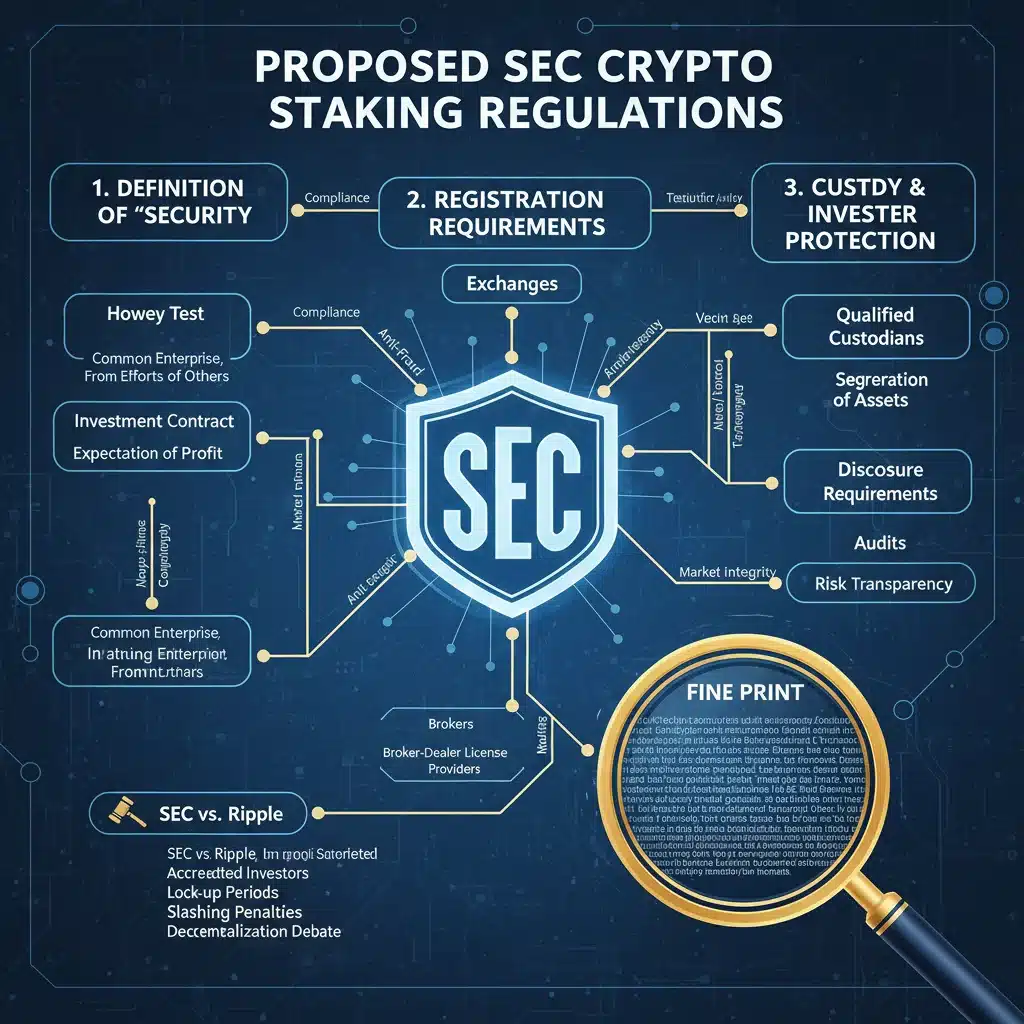
- SEC’s Stance on PoS and Staking Services: Review past statements from SEC officials, particularly Chairman Gary Gensler, regarding proof-of-stake mechanisms and whether staking services offered by centralized entities could be considered securities. The ‘Howey Test’ is often a central point of contention, and understanding how the SEC might apply it to staking is vital.
- Precedent from Enforcement Actions: Analyze recent SEC enforcement actions against crypto platforms that offered staking or lending services. These cases often provide a glimpse into the SEC’s legal arguments and areas of concern, such as investor protection, unregistered securities offerings, and disclosure requirements.
- Industry Comments and Whitepapers: Many blockchain associations, legal firms, and industry experts have published analyses and submitted comments to the SEC regarding potential regulations. These resources can offer valuable insights into the industry’s perspective and potential compliance challenges.
- Global Regulatory Trends: While focusing on U.S. regulations, it’s beneficial to observe how other major jurisdictions (e.g., EU, UK, Singapore) are approaching crypto staking. This can sometimes offer a preview of potential regulatory frameworks or highlight best practices.
Create a summary of key takeaways, identifying potential definitions, prohibitions, or compliance obligations that might affect your staking activities. This research forms the bedrock of your preparation for the new SEC Crypto Staking era.
1.2 Assessing Your Current Staking Portfolio and Practices
Once you have a clearer picture of the potential regulatory landscape, it’s time to turn inward and evaluate your existing staking portfolio. This assessment should be comprehensive, covering all aspects of your current staking practices.
- Identify All Staked Assets: Make a detailed list of all cryptocurrencies you currently have staked, including the quantity, the platform or protocol used for staking, and the terms of the staking agreement (e.g., lock-up periods, unstaking times, reward rates).
- Review Staking Platforms/Protocols: For each staked asset, identify whether you are using a centralized exchange (e.g., Coinbase, Kraken), a decentralized protocol (e.g., Lido, Rocket Pool), or running your own validator node. The regulatory impact could vary significantly based on the service provider. Centralized services are generally more likely to fall under direct SEC oversight.
- Understand Reward Structures: Document how staking rewards are generated, distributed, and whether they are automatically compounded. Consider if these rewards could be interpreted as ‘returns on investment’ in a way that aligns with the SEC’s definition of a security.
- Evaluate Custodial vs. Non-Custodial Staking: Determine if your staked assets are held in a custodial manner (where the platform holds your private keys) or non-custodial (where you retain control of your keys). The SEC often emphasizes investor protection through custody rules, and this distinction could be critical.
- Document Your Investment Thesis: Reflect on why you chose to stake these particular assets. Was it purely for passive income, or were there other motivations, such as supporting a specific blockchain project or network security? This can help frame discussions with legal counsel.
This initial assessment will provide a clear snapshot of your current exposure and highlight areas that might require significant adjustment under the new SEC Crypto Staking rules.
1.3 Initial Risk Identification and Prioritization
Based on your research and portfolio assessment, begin to identify potential risks and prioritize them. This isn’t about panicking, but about strategic foresight.
- Regulatory Risk: Which of your staked assets or staking services are most likely to be deemed unregistered securities or fall under strict new compliance requirements? Consider assets with characteristics that closely resemble traditional securities (e.g., expectation of profit from the efforts of others, common enterprise).
- Platform Risk: Are the platforms you use likely to be able to comply with new SEC regulations? Will they cease offering staking services to U.S. customers? Could they face enforcement actions that impact your assets?
- Liquidity Risk: If certain assets or services become difficult to access or liquidate due to regulatory changes, how might that impact your portfolio? Consider assets with long lock-up periods.
- Taxation Risk: While not directly SEC-related, new regulations might indirectly influence how staking rewards are viewed for tax purposes. Keep this in mind as a parallel consideration.
- Operational Risk: If you’re running your own validator, what new compliance burdens might arise (e.g., KYC/AML, reporting)?
Rank these risks by their potential impact and likelihood. This prioritization will guide your actions in the subsequent months, ensuring that you address the most critical issues first as the SEC Crypto Staking deadline approaches.
Month 2: Strategic Planning and Professional Consultation
The second month shifts from assessment to action. This is when you begin to formulate concrete strategies and seek expert advice to navigate the complexities of the upcoming SEC Crypto Staking guidelines.
2.1 Consulting with Legal and Tax Professionals
This is arguably the most critical step. Navigating securities law and tax implications requires specialized expertise. Do not rely solely on online research or general advice.
- Engage a Crypto-Specialized Attorney: Seek legal counsel with demonstrable experience in blockchain and securities law. They can provide tailored advice on whether your specific staking activities could be classified as securities under the new SEC Crypto Staking framework. They can also help interpret potential regulatory language and advise on compliance requirements. This consultation is essential for understanding your legal standing and potential liabilities.
- Consult a Crypto-Knowledgeable Tax Advisor: While the SEC primarily focuses on securities, new regulations can have significant tax implications. A tax professional familiar with digital assets can help you understand how staking rewards are taxed (as income, capital gains, etc.) and advise on potential changes under new rules. They can also help structure your portfolio for tax efficiency.
- Prepare for Consultations: Before meeting with professionals, organize all your documentation from Month 1: your staked asset list, platform details, reward structures, and any specific concerns you have. Clear and concise information will maximize the value of these consultations.
These professional insights will form the backbone of your strategic response to the SEC Crypto Staking guidelines.
2.2 Developing a Diversification and Rebalancing Strategy
Based on the insights gained from your legal and tax consultations, it’s time to refine your investment strategy. Diversification and rebalancing are key to mitigating risk.
- Re-evaluate Staked Assets: Consider reducing exposure to assets or platforms that carry higher regulatory risk. This might involve unstaking certain cryptocurrencies or moving them to more compliant platforms, if available.
- Explore Alternative Yield Strategies: If traditional staking becomes overly burdensome or risky due to SEC Crypto Staking regulations, explore other decentralized finance (DeFi) yield-generating opportunities. This could include lending protocols, liquidity provision (LP) in decentralized exchanges (DEXs), or other yield farming strategies. However, be mindful that these alternatives also carry their own risks and may eventually face similar regulatory scrutiny.
- Geographic Diversification (if applicable): For investors with the ability to operate outside U.S. jurisdiction, consider platforms or protocols based in more crypto-friendly regulatory environments, always being mindful of potential tax implications and legal complexities. This is a complex step and should only be considered with thorough legal advice.
- Portfolio Rebalancing: Adjust your overall portfolio allocation. This might mean increasing exposure to non-staking assets (e.g., Bitcoin, Ethereum post-merge if staking is deemed less risky, or traditional assets) to reduce overall regulatory exposure.
The goal is to create a portfolio that is robust enough to withstand potential regulatory shocks while still offering growth and income opportunities.
2.3 Due Diligence on Staking Platforms and Protocols
With potential regulations looming, the trustworthiness and compliance posture of the platforms you use become even more critical.
- Centralized Exchanges (CEXs): If you stake through a CEX, research their readiness for the 2026 SEC Crypto Staking guidelines. Have they indicated plans for compliance? Are they engaging with regulators? What are their terms of service regarding U.S. customers and staking? Be prepared for some CEXs to potentially restrict staking services for U.S. users.
- Decentralized Protocols (DeFi): For decentralized staking, assess the protocol’s decentralization level. The more decentralized, the less likely it is to be targeted as a ‘common enterprise’ or ‘issuer’ by the SEC. Understand the governance model, the underlying smart contract security (audits!), and the community’s response to regulatory discussions.
- Custody Solutions: If you’re using a third-party custodian for your staked assets, verify their regulatory compliance and security measures. The SEC has stringent rules around custody for securities, and these might extend to certain crypto assets.
- Review Terms and Conditions: Pay close attention to the fine print of any staking agreement. Look for clauses related to regulatory changes, service discontinuation, and asset custody.
Thorough due diligence can help you avoid platforms that might be vulnerable to regulatory action or that may cease services, protecting your staked assets as the SEC Crypto Staking rules come into effect.
Month 3: Implementation, Monitoring, and Final Adjustments
The final month before the 2026 guidelines is about executing your plan, setting up monitoring systems, and being ready to make swift adjustments.
3.1 Executing Your Strategic Adjustments
This month is for putting your Month 2 plan into action. Based on your legal advice and strategic decisions, you will make concrete changes to your staking portfolio.
- Unstaking and Reallocating: If advised, begin the process of unstaking assets from platforms or protocols deemed high-risk. Be mindful of unstaking periods, which can vary from days to weeks for some PoS chains. Reallocate these funds according to your diversified strategy, whether to other crypto assets, liquid stablecoins, or even traditional investments.
- Migrating to Compliant Platforms: If you identify platforms that are actively working towards SEC Crypto Staking compliance or offer a more favorable regulatory posture, consider migrating your staked assets to them. Ensure you understand their new terms of service.
- Implementing New Tax Tracking: Set up or update your crypto tax tracking software or system to accurately record all staking rewards and any new transactions resulting from your rebalancing. This proactive approach will simplify tax reporting later.
- Securing Your Assets: Double-check the security of all your wallets and accounts. Ensure you are using strong, unique passwords, two-factor authentication (2FA), and consider hardware wallets for significant holdings. Regulatory changes can sometimes lead to increased scam attempts.
Execution should be deliberate and careful, minimizing potential losses from transaction fees or market volatility where possible.
3.2 Establishing Continuous Monitoring Systems
The regulatory landscape for crypto is not static. Even after the 2026 SEC Crypto Staking guidelines are in place, further developments are inevitable. Set up systems for ongoing monitoring.
- Follow Regulatory News: Subscribe to reputable crypto news sources, legal blogs, and official SEC announcements. Stay informed about any further clarifications, amendments, or enforcement actions related to crypto staking.
- Monitor Platform Updates: Regularly check for updates from the staking platforms and protocols you use. They will likely communicate how they are adapting to the new regulations.
- Track Market Sentiment: Keep an eye on overall market sentiment regarding crypto regulations. Significant shifts can impact asset prices and opportunities.
- Review Your Strategy Periodically: Schedule regular reviews of your staking strategy (e.g., quarterly or semi-annually) to ensure it remains aligned with your financial goals and the evolving regulatory environment.
Continuous monitoring allows you to stay agile and make necessary adjustments as the landscape continues to evolve post-2026 SEC Crypto Staking implementation.

3.3 Preparing for Potential Scenarios and Contingency Planning
Even with thorough preparation, unforeseen circumstances can arise. Having contingency plans in place can help you navigate unexpected challenges.
- Scenario Planning: Consider various ‘what-if’ scenarios. What if a major platform you use ceases operations in the U.S.? What if a specific asset you’re staking is explicitly deemed an unregistered security? How would you react in each case?
- Emergency Fund/Liquidity: Ensure you have sufficient liquid funds outside of your staked assets to cover any immediate financial needs or to capitalize on market opportunities that may arise from regulatory shifts.
- Communication Channels: Know how to quickly access support from your chosen staking platforms or protocols in case of issues.
- Documentation Backup: Ensure all critical documents – legal advice, tax records, transaction histories, wallet addresses – are securely backed up and easily accessible.
Contingency planning provides a safety net, allowing you to react calmly and strategically to any surprises that the 2026 SEC Crypto Staking guidelines might bring.
Beyond 2026: The Future of SEC Crypto Staking and Investor Resilience
The 2026 SEC Crypto Staking guidelines will mark a significant milestone, but they are unlikely to be the final word on crypto regulation. The digital asset space is in constant flux, and regulatory frameworks will continue to adapt. For U.S. investors, cultivating a mindset of continuous learning and adaptability is key to long-term success in this evolving environment.
Embracing Regulatory Clarity (and its Challenges)
While new regulations often bring initial friction and complexity, they can also foster greater trust and institutional adoption. By providing clearer rules of the road, the SEC may pave the way for more traditional financial institutions to enter the crypto staking space, potentially bringing more capital and stability. However, this also means increased scrutiny and a higher bar for compliance for all participants.
The Importance of Decentralization
The emphasis on the ‘common enterprise’ and the ‘efforts of others’ in the SEC’s interpretation of securities law highlights the inherent advantages of truly decentralized staking. Protocols that allow individuals to stake directly, retain custody of their assets, and participate in decentralized governance may be less susceptible to certain regulatory classifications than centralized staking services. U.S. investors should continue to educate themselves on the differences between custodial and non-custodial staking solutions and understand the varying degrees of decentralization across different blockchain networks.
Innovation and Adaptation
The crypto industry has a strong track record of innovation in the face of challenges. New solutions and protocols are constantly emerging to address regulatory concerns while preserving the core benefits of decentralized finance. Investors should remain open to exploring these new developments, always with a critical eye and thorough due diligence. The landscape of SEC Crypto Staking will likely drive new forms of compliant staking products and services.
Ongoing Education and Community Engagement
Staying informed goes beyond just reading news. Engage with reputable crypto communities, attend webinars, and participate in discussions. Learning from the collective experience of other investors and industry experts can provide invaluable perspectives and help you anticipate future trends and regulatory shifts. A well-informed investor is a resilient investor.
Conclusion: Navigating the New Era of SEC Crypto Staking
The impending 2026 SEC Crypto Staking guidelines represent a significant inflection point for U.S. investors in the digital asset space. While the specifics are still unfolding, proactive preparation is the most effective strategy to safeguard your investments and capitalize on future opportunities. By dedicating the next three months to understanding the regulatory landscape, assessing your portfolio, seeking professional guidance, and making strategic adjustments, you can position yourself for success in this evolving environment.
Remember, this 3-month action plan is a guide, not a definitive solution for every individual’s unique situation. The complexities of securities law and personal financial circumstances necessitate personalized advice from qualified legal and tax professionals. However, by systematically working through these steps, U.S. investors can transform potential regulatory uncertainty into a well-managed and resilient crypto staking strategy. The future of SEC Crypto Staking is approaching; be prepared, be informed, and be strategic.