Bitcoin’s Energy Debate 2026: Sustainable U.S. Mining Solutions

Bitcoin’s Energy Consumption Debate in 2026: A U.S. Perspective on Sustainable Mining Solutions
The year is 2026, and the global conversation around Bitcoin’s energy consumption has reached a critical juncture. What was once a niche concern for environmentalists has blossomed into a mainstream debate, deeply intertwined with national energy policies, technological innovation, and the very future of digital finance. In the United States, this debate is particularly vibrant, marked by a dynamic interplay of regulatory pressures, industry-led sustainability initiatives, and a growing public awareness of Bitcoin’s environmental footprint. This article delves deep into the heart of the Bitcoin energy debate in the U.S. as of 2026, exploring the challenges, the innovations, and the path towards a truly sustainable cryptocurrency ecosystem.
The Evolving Landscape of Bitcoin Energy Consumption
For years, critics have pointed to Bitcoin’s Proof-of-Work (PoW) consensus mechanism as an energy guzzler, comparing its electricity demand to that of small nations. While these comparisons often lack nuance, they have undoubtedly fueled the Bitcoin energy debate. By 2026, the sheer scale of Bitcoin’s network has indeed grown, but so too has the industry’s commitment to addressing these concerns head-on. The narrative has shifted from purely alarmist headlines to a more constructive dialogue about optimizing energy use and leveraging sustainable sources.
Understanding the Core of the Bitcoin Energy Debate
At its core, the Bitcoin energy debate revolves around two main points: the absolute amount of electricity consumed by the network and the source of that electricity. Bitcoin mining, the process by which new bitcoins are created and transactions are verified, is inherently energy-intensive. It involves specialized hardware (ASICs) performing vast numbers of computations per second to solve complex mathematical puzzles. The first miner to solve the puzzle adds a new block of transactions to the blockchain and is rewarded with newly minted bitcoins and transaction fees. This competitive process, designed to secure the network, requires significant computational power, and thus, significant energy.
However, simply stating that Bitcoin uses a lot of energy misses a critical part of the picture. The crucial question is: what kind of energy? Is it derived from fossil fuels, contributing to greenhouse gas emissions, or is it sourced from renewables, which have a much smaller environmental impact? This distinction is paramount in the 2026 version of the Bitcoin energy debate, particularly within the U.S.
U.S. Regulatory Stance and Policy Initiatives in 2026
The United States has emerged as a significant player in the global Bitcoin mining landscape, attracting miners due to its stable political environment, robust energy infrastructure, and access to diverse energy sources. This prominence has inevitably drawn the attention of policymakers. By 2026, several states and the federal government have begun to formulate and implement policies aimed at addressing the environmental aspects of cryptocurrency mining.
Federal Oversight and Green Energy Mandates
Federally, the Biden administration, and subsequent legislative bodies, have continued to push for a greener economy. This overarching goal has cascaded into discussions surrounding Bitcoin. While outright bans on PoW mining have largely been dismissed as impractical and counterproductive, there’s a strong emphasis on incentives for adopting renewable energy. The Department of Energy (DOE) and the Environmental Protection Agency (EPA) have been actively conducting studies on the energy footprint of crypto mining, with a view to establishing best practices and potentially setting voluntary (or even mandatory) reporting standards for energy consumption and source attribution.
Legislation in 2026 often includes tax credits and grants for data centers, including mining operations, that utilize a high percentage of renewable energy. There’s also growing pressure for transparency, with proposals requiring mining companies to disclose their energy mix, similar to how traditional industries report their emissions. This increased scrutiny is a direct response to the lingering concerns about the Bitcoin energy debate.
State-Level Innovations and Challenges
At the state level, the approaches vary significantly. Texas, with its deregulated energy market and abundant wind and solar resources, remains a hub for Bitcoin mining. However, its grid’s susceptibility to extreme weather events has led to calls for miners to participate more actively in demand response programs, effectively shutting down operations during peak demand to stabilize the grid. This showcases a pragmatic approach to integrating mining into existing energy infrastructure, turning a potential liability into an asset.
Other states, particularly those with strong environmental protection mandates, are exploring different avenues. New York, for example, has continued its cautious approach, with some regions implementing moratoriums on new fossil-fuel-powered mining operations, pushing for a greater reliance on hydroelectric power. States like Washington and Oregon, rich in hydropower, are seeing a surge in interest from miners seeking cheap, clean energy, further fueling the sustainable side of the Bitcoin energy debate.
Sustainable Mining Solutions: A U.S. Blueprint
The U.S. is at the forefront of developing and implementing innovative solutions to make Bitcoin mining more sustainable. These solutions span technological advancements, operational strategies, and novel energy partnerships.
Leveraging Renewable Energy Sources
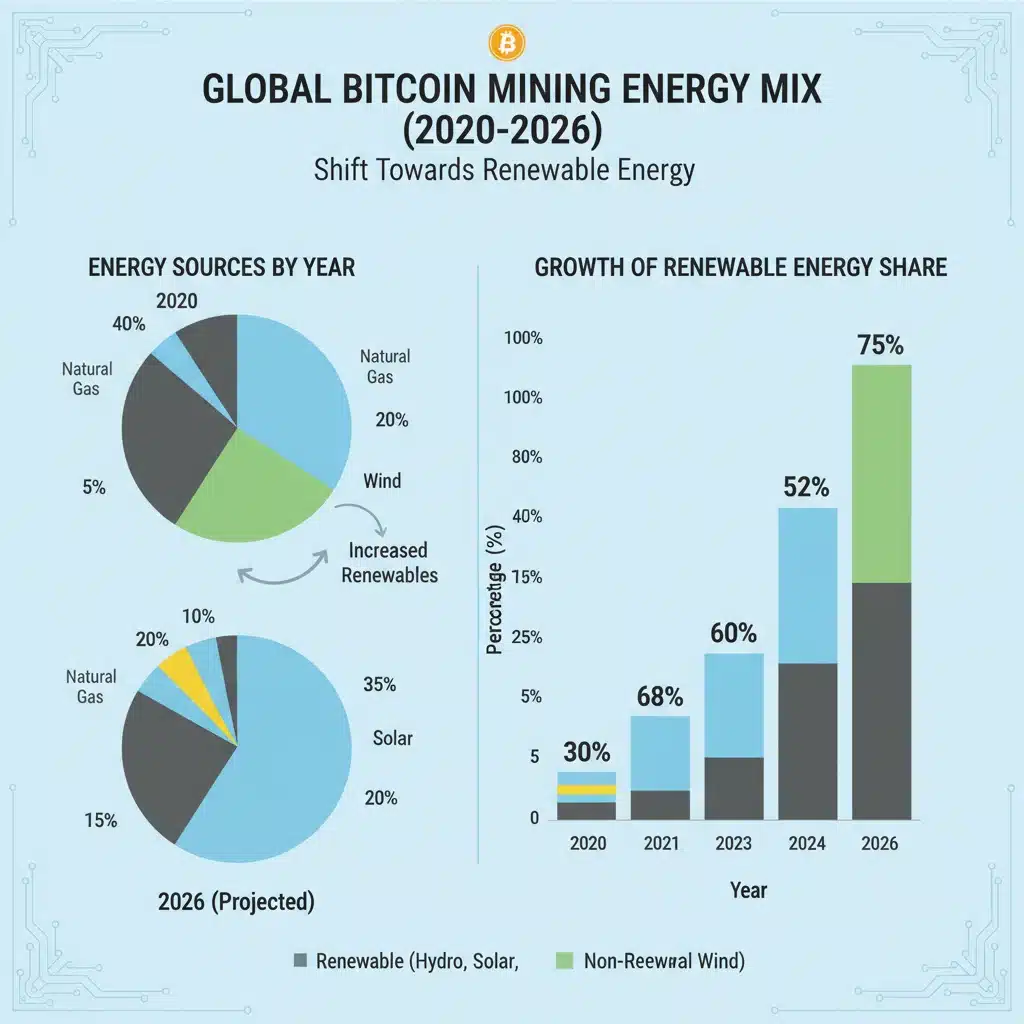
The most direct route to addressing the Bitcoin energy debate is the increased adoption of renewable energy. By 2026, a significant portion of U.S. Bitcoin mining operations are either directly powered by renewables or are actively purchasing renewable energy credits (RECs).
- Solar and Wind Power: Large-scale mining farms are increasingly co-locating with solar and wind farms, or even developing their own. The intermittent nature of these sources is being mitigated by battery storage solutions and the flexible load characteristics of mining, which can be curtailed during periods of low renewable output or high grid demand.
- Hydroelectric Power: States with abundant hydropower, such as Washington and New York, continue to attract miners seeking stable and clean energy.
- Geothermal Energy: Though less common, geothermal power is gaining traction, offering a constant, baseload renewable energy source that is ideal for continuous mining operations.
Mitigating Methane Emissions and Flared Gas
One of the most innovative and impactful solutions to emerge in the U.S. context is the use of flared natural gas. In oil and gas production, natural gas is often flared (burned off) when it’s uneconomical to transport or process, releasing methane (a potent greenhouse gas) into the atmosphere. Bitcoin miners are now deploying mobile mining units to oil fields, capturing this otherwise wasted and environmentally damaging gas to power their operations. This not only reduces methane emissions but also provides a revenue stream for oil producers and a cheap energy source for miners, offering a win-win solution to a specific facet of the Bitcoin energy debate.
Waste Heat Recovery and Circular Economies
The heat generated by Bitcoin mining, often seen as a byproduct, is increasingly being viewed as a valuable resource. In 2026, several U.S. projects are experimenting with waste heat recovery, using the heat from mining operations to warm greenhouses, dry timber, or even provide heating for residential or commercial buildings. This concept of a ‘circular economy’ for energy transforms a perceived inefficiency into a beneficial output, further strengthening the argument for sustainable mining within the Bitcoin energy debate.
Technological Advancements in Mining Hardware
Beyond energy sources, improvements in mining hardware efficiency continue to play a crucial role. Manufacturers are constantly developing more energy-efficient ASICs (Application-Specific Integrated Circuits) that can perform more computations per watt of electricity. While the total energy consumption of the network might still grow with increased adoption, the energy footprint per bitcoin mined is steadily decreasing, making the entire process more sustainable over time. This continuous innovation is a key factor in how the industry addresses the Bitcoin energy debate.
The Role of Energy Storage and Grid Integration
The integration of Bitcoin mining with the broader energy grid is becoming increasingly sophisticated. Miners, particularly in states like Texas, are acting as ‘dispatchable load,’ meaning they can quickly ramp down their energy consumption when the grid is under stress, and ramp it back up when supply is plentiful. This flexibility is incredibly valuable for grid operators, especially as more intermittent renewable energy sources come online. By providing grid stabilization services, Bitcoin miners can actually help accelerate the transition to a renewable-heavy grid, thereby turning a perceived problem into part of the solution for the Bitcoin energy debate.
Demand Response Programs
In 2026, participation in demand response programs is becoming a standard practice for large-scale mining operations in the U.S. These programs incentivize miners to reduce their energy usage during periods of high electricity prices or grid instability, often receiving compensation for doing so. This symbiotic relationship benefits both the miners (through reduced energy costs or payments) and the grid (through increased stability and reliability).
Behind-the-Meter Solutions
Many mining operations are exploring ‘behind-the-meter’ solutions, where they generate their own electricity on-site, often from renewable sources, and consume it directly without relying heavily on the main grid. This reduces transmission losses and can provide more stable and predictable energy costs, further diversifying the energy landscape and contributing positively to the Bitcoin energy debate.
Challenges and Criticisms Remain
Despite significant strides, the Bitcoin energy debate is far from settled. Critics still raise valid points and challenges that need to be addressed:
- Scale of Growth: Even with increasing efficiency and renewable adoption, the sheer growth of the Bitcoin network could theoretically outpace sustainability efforts, leading to a net increase in energy consumption.
- Greenwashing Concerns: There’s a risk of ‘greenwashing,’ where companies make claims about sustainability without verifiable data or significant action. This underscores the need for robust reporting standards and independent verification.
- Local Environmental Impacts: While using flared gas is beneficial on a global scale, local communities near mining operations can still experience noise pollution and increased demands on local infrastructure.
- E-Waste: The constant upgrading of mining hardware leads to electronic waste. While initiatives for recycling and repurposing old ASICs are emerging, it remains a challenge.
Addressing these criticisms requires continuous innovation, transparent reporting, and strong community engagement. The ongoing dialogue is crucial for moving the Bitcoin energy debate forward in a constructive manner.
The Future of Bitcoin Mining in the U.S.: Towards a Sustainable Horizon
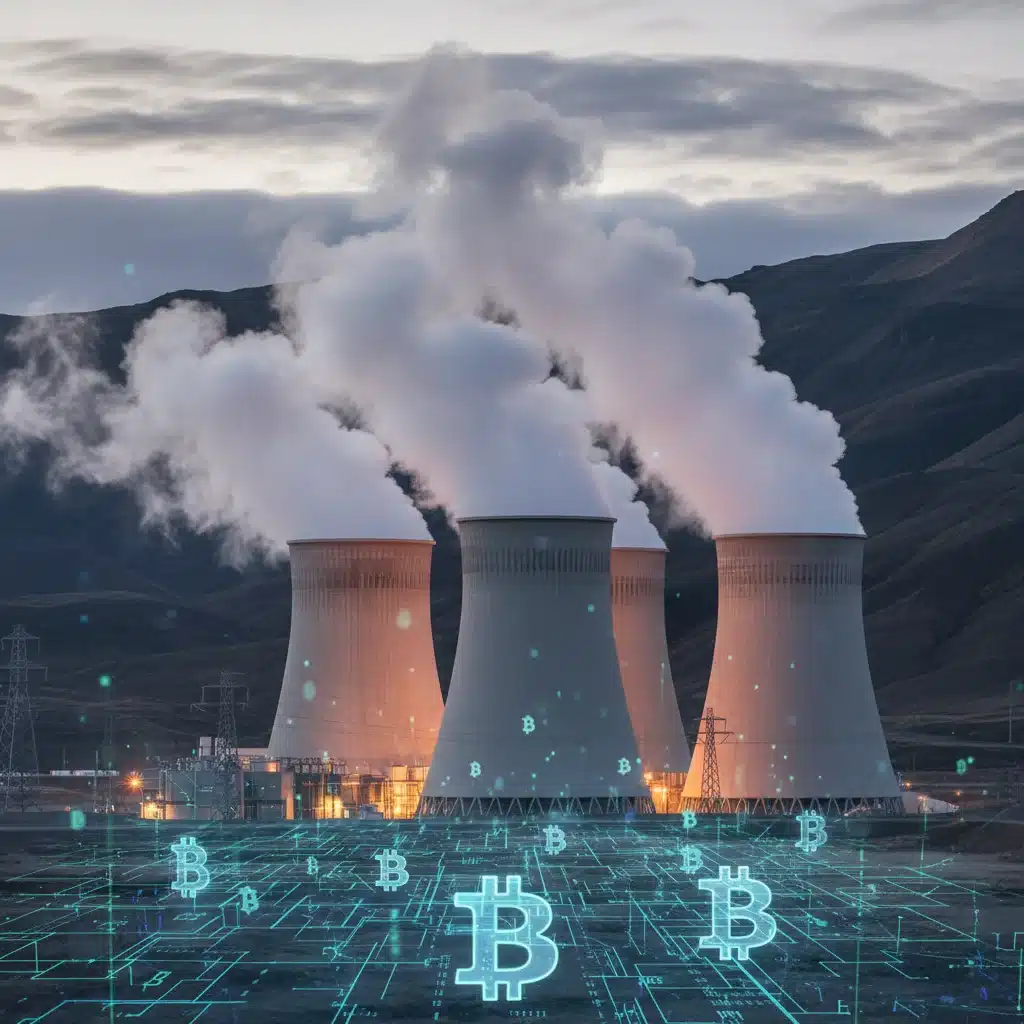
Looking ahead to the remainder of 2026 and beyond, the trend towards sustainable Bitcoin mining in the U.S. is expected to accelerate. Several factors will drive this:
Increasing Corporate and Investor Demand for ESG Compliance
Environmental, Social, and Governance (ESG) factors are becoming increasingly important for corporations and investors. Publicly traded mining companies, and even private ones seeking institutional investment, are under pressure to demonstrate their commitment to sustainability. This pressure acts as a powerful incentive to adopt greener practices, directly impacting the Bitcoin energy debate.
Technological Breakthroughs
Further advancements in ASIC efficiency, combined with innovations in energy storage and grid management technologies, will continue to reduce the environmental footprint of mining. We might also see the emergence of alternative consensus mechanisms or hybrid approaches that offer similar security guarantees with lower energy requirements, although PoW remains dominant for Bitcoin.
Maturing Regulatory Frameworks
As policymakers gain a deeper understanding of cryptocurrency mining, regulations are likely to become more sophisticated, moving beyond broad strokes to targeted incentives and requirements that foster sustainable growth rather than stifle innovation. This maturing regulatory landscape will provide clearer guidelines for miners, helping to shape the future of the Bitcoin energy debate.
Public Education and Awareness
A more informed public discourse, moving away from sensationalism towards a nuanced understanding of Bitcoin’s energy use and its potential for positive change, will also be critical. Educating the public about how Bitcoin mining can actually support renewable energy infrastructure and reduce waste gas emissions can shift perception and gain broader support for the industry.
Conclusion: A Greener Path for Digital Gold
The Bitcoin energy debate in the U.S. in 2026 is a complex, multifaceted discussion, but one that is increasingly guided by a commitment to sustainability. While challenges persist, the industry’s proactive engagement with renewable energy, waste heat recovery, methane mitigation, and grid integration highlights a clear path towards a more environmentally responsible future for digital gold. The U.S., with its diverse energy landscape and entrepreneurial spirit, is uniquely positioned to lead this transformation, proving that economic innovation and environmental stewardship can indeed go hand-in-hand. As Bitcoin continues to mature, its energy story is evolving from a point of contention to a testament to human ingenuity and our collective drive towards a sustainable digital future.